
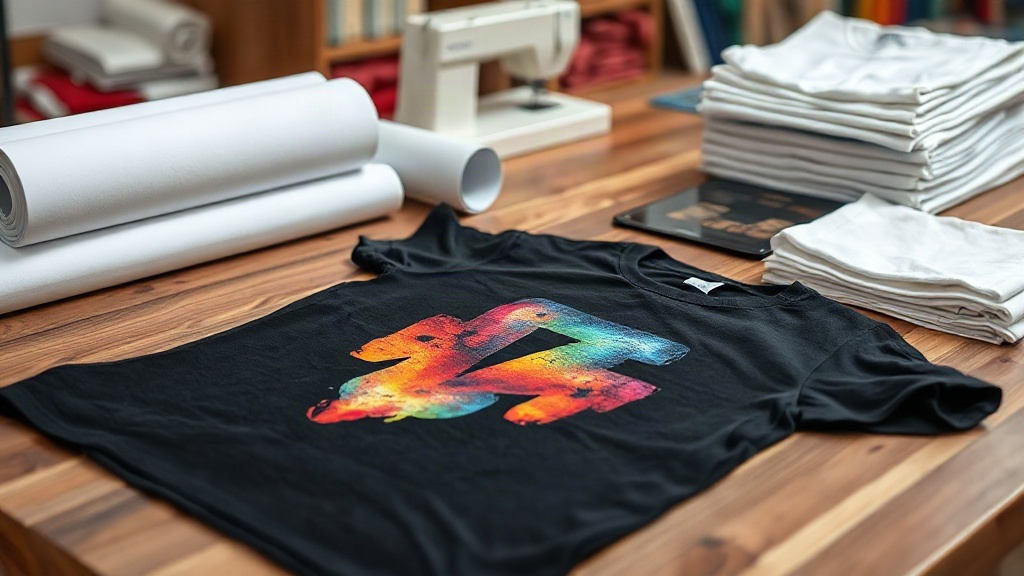
If you're running a custom apparel business, you already know that the quality of your finished product depends on two things: the DTF transfers you use and the blank garments you apply them to. Get either wrong, and you'll deal with faded prints, cracked designs, or unhappy customers. Get them right, and you'll build a reputation for quality that keeps people coming back. In this guide, we'll walk through everything you need to know about DTF transfers, from choosing the best blank shirts to mastering the application process, and we'll highlight two brands that have become go-to choices for professionals: Shaka Wear and Smart Blanks.
What Are DTF Transfers and Why Do They Matter?
DTF stands for Direct to Film. It's a printing method where your design is printed onto a special film, coated with adhesive powder, and then heat-pressed onto a garment. Unlike DTG (Direct to Garment) or screen printing, DTF transfers work on almost any fabric, including cotton, polyester, blends, and even nylon. They're incredibly durable, stretch with the fabric, and produce vibrant colors that hold up wash after wash.
For small businesses and side hustlers, DTF transfers have been a game-changer. You don't need a warehouse full of equipment. A decent printer, a heat press, and a supply of quality blanks are enough to get started. But here's the catch: not all transfers are created equal. Cheap transfers can feel rubbery, crack after a few washes, or fail to adhere properly. That's why sourcing from a reputable supplier matters.
Choosing the Right Blank Apparel for DTF Printing
The blank you choose affects everything: how the transfer adheres, how the shirt feels, and how long it lasts. Not all blanks are DTF-friendly. Some have heavy fabric softeners or coatings that prevent the adhesive from bonding. Others have tight weaves that make it hard for the transfer to sink in. Here are the key factors to consider:
- Fabric content: 100% cotton is the gold standard for DTF because it's breathable and takes transfers well. Cotton-poly blends also work, but you may need to adjust your heat press settings. 100% polyester can work, but lower temperatures are required to avoid scorching.
- Fabric weight: Heavier fabrics (like 6 oz and up) tend to be more durable and provide a better canvas for transfers. Lighter fabrics (4 oz) are fine for fashion tees but may not hold up as well for workwear.
- Color: DTF transfers can be applied to any color, but white or light-colored blanks make colors pop. On dark blanks, you'll need a white underbase, which most DTF transfers include automatically.
- Wash treatment: Some blanks are pre-washed or treated with softeners. These can interfere with adhesion. Always test a sample before committing to a large order.
Two brands that consistently deliver DTF-friendly blanks are Shaka Wear and Smart Blanks. Let's look at why they've earned their reputation.
Shaka Wear: Streetwear Credibility Meets DTF Compatibility
Shaka Wear has deep roots in streetwear and skate culture. Their blanks are known for their heavyweight construction, boxy fits, and that classic urban look. If you're printing for a brand that wants to project a bold, street-savvy image, Shaka Wear is a natural choice. Their 7.5 oz max heavyweight tees are a favorite among DTF printers because the dense cotton weave provides an excellent surface for transfers. The fabric is pre-shrunk, so you won't deal with much shrinkage after washing, which means your transfer stays put. Plus, the colors are rich and hold up well over time. One thing to note: Shaka Wear tends to run slightly larger, so check the size chart if you're ordering for retail.
Smart Blanks: Affordable Quality for High-Volume Orders
Smart Blanks is another name that pops up frequently in DTF circles, especially for those who need consistent quality at a lower price point. Their tees are soft, ring-spun cotton, which gives them a premium feel without the premium price tag. For DTF transfers, the smooth surface of Smart Blanks tees helps the transfer adhere evenly, reducing the risk of bubbling or peeling. They're also available in a wide range of colors, making them versatile for different designs. If you're doing large runs for events, teams, or promotional products, Smart Blanks offers a cost-effective solution that doesn't sacrifice quality.
How to Apply DTF Transfers Like a Pro
Even the best transfer can fail if you don't apply it correctly. Here's a step-by-step guide to getting it right every time:
- Pre-press the garment: This removes moisture and wrinkles. Set your heat press to 300-320°F (150-160°C) and press for 5-10 seconds. Let it cool slightly before applying the transfer.
- Position the transfer: Place the transfer face down on the garment. If your transfer has a carrier film, make sure the printed side is touching the fabric.
- Press: Apply medium to heavy pressure for 10-15 seconds at 300-320°F. If you're using a home iron, you'll need to press firmly and may need to repeat.
- Peel: Wait for the transfer to cool completely before peeling the film. This is called a cold peel. Peeling while hot can cause the design to stretch or lift.
- Post-press (optional): For extra durability, cover the design with parchment paper and press again for 5-10 seconds. This helps the adhesive fully set.
Always follow the specific instructions provided by your transfer supplier, as formulations can vary. And never skip the pre-press; it's the most common reason transfers fail.
Sourcing DTF Transfers and Blanks: What to Look For
When you're buying DTF transfers, quality is non-negotiable. Look for suppliers who use high-quality inks and adhesives, and who provide clear application instructions. If you're ordering custom transfers, ask for a sample before committing to a large run. For blanks, consider your target market. If you're selling to streetwear enthusiasts, Shaka Wear is a strong choice. If you need budget-friendly options for bulk orders, Smart Blanks delivers. Many suppliers offer bulk discounts, so if you're planning a big project, don't be afraid to negotiate or ask for a volume quote.
Another tip: keep a log of your heat press settings for different fabrics and transfer types. What works for a 100% cotton Shaka Wear tee might not work for a polyester performance shirt. Documenting your settings saves time and reduces waste.
Common Mistakes to Avoid with DTF Transfers
Even experienced printers make mistakes. Here are a few to watch out for:
- Not testing before a big order: Always do a test press on a scrap garment or fabric swatch. This helps you dial in temperature, pressure, and time.
- Using too much pressure: Excessive pressure can cause the transfer to spread or the adhesive to bleed. Medium pressure is usually sufficient.
- Ignoring fabric softeners: If your blank has a softener coating, it can prevent adhesion. Pre-wash the garment if needed.
- Peeling too soon: Cold peel is key. Patience pays off.
- Storing transfers improperly: Keep unused transfers in a cool, dry place, away from direct sunlight. Humidity can affect the adhesive powder.
Frequently Asked Questions About DTF Transfers
Can I use DTF transfers on 100% polyester shirts?
Yes, but you'll need to lower your heat press temperature to around 280-300°F to avoid scorching the polyester. Also, use light pressure and a shorter press time (8-10 seconds). Always test first.
How long do DTF transfers last?
With proper application and care, DTF transfers can last 50+ washes. To maximize longevity, wash the garment inside out in cold water and tumble dry low or hang dry. Avoid ironing directly on the transfer.
What's the difference between DTF and DTG?
DTG (Direct to Garment) prints directly onto the fabric, while DTF uses a transfer film. DTF works on more fabric types, including polyester and blends, and often produces more vibrant colors. DTG is typically limited to cotton and requires pre-treatment.
Where can I buy Shaka Wear and Smart Blanks?
Both brands are available through major blank apparel distributors and wholesalers. You can also find them on sites like dtfmood.com, which specializes in DTF supplies and blanks. Always check for authenticity and read reviews before purchasing.
Do I need a special printer for DTF transfers?
Yes, DTF printing requires a dedicated DTF printer, DTF ink, and transfer film. However, if you're just applying transfers, you only need a heat press and a supply of pre-printed transfers. Many suppliers sell custom DTF transfers, so you can outsource the printing and focus on application.
Mastering DTF transfers is a journey, but with the right knowledge and supplies, you can produce professional-quality apparel that stands out. Whether you choose Shaka Wear for its streetwear edge or Smart Blanks for its value, the key is to test, document, and refine your process. Happy printing!