
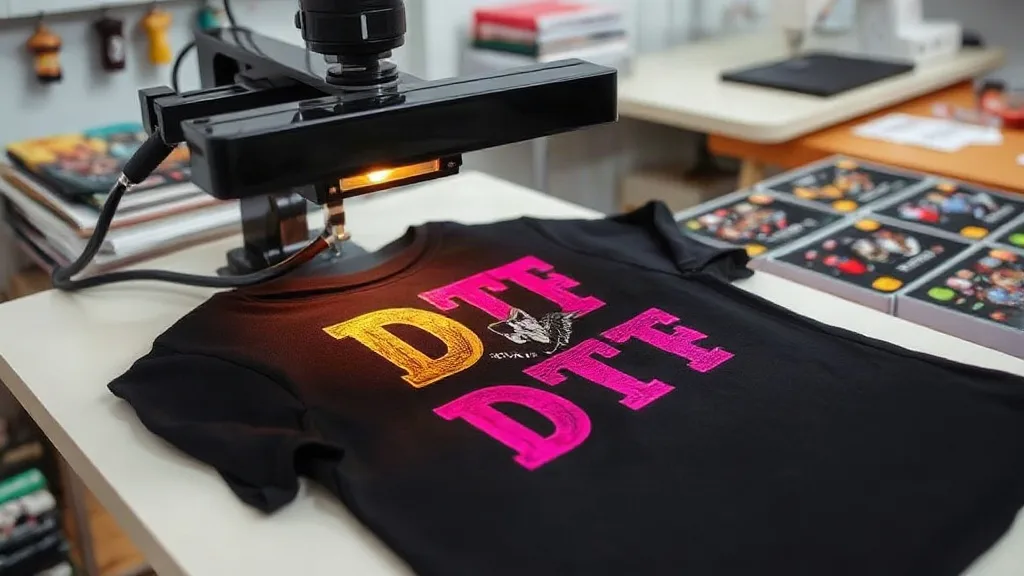
Custom apparel has never been more accessible, thanks to innovations like dtf transfers. Whether you're a small business owner looking to offer personalized merchandise, a hobbyist wanting to create unique gifts, or simply someone who loves expressing themselves through fashion, understanding DTF technology can open up a world of creative possibilities. In this guide, we'll walk you through what DTF transfers are, how they work, and why they might be the perfect solution for your next project.
What Are DTF Transfers?
DTF stands for Direct to Film. It's a printing technology where your design is printed onto a special film, then coated with a powder adhesive and heat-pressed onto fabric. Unlike DTG (Direct to Garment) or screen printing, DTF doesn't require pre-treatment of the fabric, and it works on a wide range of materials, including cotton, polyester, blends, and even some non-fabric items like canvas bags or hats.
The process is relatively straightforward: first, your design is printed onto a PET film using specialized dtf inks. While the ink is still wet, a hot-melt powder is applied, which sticks to the ink. After shaking off the excess powder, the film is heated to melt the powder, creating a flexible, durable layer. Then, the transfer is placed on the fabric and pressed with a heat press, allowing the design to adhere permanently.
Why Choose DTF Transfers?
There are several reasons why DTF transfers have become a popular choice among crafters and professionals alike.
Vibrant, High-Quality Prints
DTF transfers produce incredibly vibrant colors, even on dark fabrics. The white ink layer used in DTF printing ensures that your design pops, regardless of the garment's color. Plus, the prints are soft to the touch and stretch with the fabric, so they won't crack or peel easily.
Versatility Across Materials
One of the biggest advantages of DTF is its compatibility with almost any fabric. You're not limited to cotton or polyester; you can apply DTF transfers to blends, nylon, canvas, and more. This makes it ideal for creating custom t-shirts, hoodies, tote bags, and even denim jackets.
Cost-Effective for Small Batches
Unlike screen printing, which requires separate screens for each color and becomes cost-effective only at higher quantities, DTF transfers are economical for small orders. You can print one-off designs without breaking the bank, making it perfect for personalized gifts or small business inventory.
No Weeding or Masking Required
If you've ever worked with heat transfer vinyl (HTV), you know the tedious process of weeding out tiny details. With DTF, there's no weeding needed. The design is printed and ready to press, saving you time and frustration.
How to Apply DTF Transfers
Applying DTF transfers is a straightforward process, but it does require a heat press for best results. Here's a step-by-step guide:
- Preheat your heat press to the recommended temperature (usually around 300°F to 325°F, but check your transfer's instructions).
- Pre-press the garment for a few seconds to remove moisture and wrinkles.
- Place the DTF transfer on the fabric with the printed side facing up.
- Press with medium pressure for 10-15 seconds.
- Peel the film while it's still hot (or cold, depending on the film type). Most DTF transfers are hot peel, but always follow the supplier's guidelines.
- Post-press for a few seconds to ensure the design is fully bonded.
It's important to use a heat press rather than an iron, as consistent pressure and temperature are crucial for a durable bond. If you're new to heat pressing, practice on scrap fabric first.
Finding Quality DTF Transfers Near You
If you're looking to incorporate DTF into your projects, you might be wondering where to source high-quality transfers. Searching for dtf transfers near me can help you find local suppliers who can provide fast turnaround and personalized service. However, many reputable online suppliers also offer nationwide shipping with quick delivery times.
When choosing a supplier, consider the following factors:
- Print quality: Look for vibrant colors, sharp details, and soft hand feel.
- Durability: The transfer should withstand multiple washes without fading or cracking.
- Customer service: A good supplier will answer questions and provide application instructions.
- Turnaround time: If you're on a deadline, ensure they can meet your schedule.
At dtfmood.com, we specialize in high-quality DTF transfers that deliver exceptional results. Our transfers are printed with premium inks and films, ensuring vibrant colors and long-lasting wear. Whether you need a single custom design or a bulk order, we're here to help you bring your ideas to life.
Common Mistakes to Avoid with DTF Transfers
Even though DTF is user-friendly, there are a few pitfalls to watch out for:
Using the Wrong Pressure
Too little pressure and the transfer won't adhere properly; too much and the design may spread or lose detail. Always follow the recommended settings and test on a scrap piece first.
Ignoring Fabric Compatibility
While DTF works on many fabrics, some very stretchy or heat-sensitive materials may require lower temperatures or special handling. Always test on a small area if you're unsure.
Peeling at the Wrong Temperature
Some films are hot peel, others cold peel. Peeling too early or too late can ruin the transfer. Read the instructions carefully.
Not Washing Inside Out
To maximize longevity, turn garments inside out before washing and avoid harsh detergents or high heat in the dryer. This will keep your DTF prints looking fresh for years.
DTF vs. Other Printing Methods
How does DTF stack up against other popular decorating techniques? Here's a quick comparison:
- DTF vs. DTG: DTF is more versatile (works on more fabrics) and often more cost-effective for small orders. DTG requires pre-treatment and is best for 100% cotton.
- DTF vs. Screen Printing: Screen printing is economical for large batches but requires setup and is limited to fewer colors. DTF is great for detailed, multi-color designs and small runs.
- DTF vs. HTV: HTV requires weeding and layering, which is time-consuming. DTF is simpler, with no weeding, and can handle complex designs with gradients and fine details.
Each method has its strengths, but DTF's versatility and ease of use make it a standout choice for many applications.
Frequently Asked Questions
Can I use DTF transfers on dark-colored shirts?
Absolutely. DTF transfers include a white ink base that makes colors pop on dark fabrics. Just ensure your design has enough contrast, and the white layer will handle the rest.
How long do DTF transfers last?
With proper care, DTF transfers can last as long as the garment itself. They are durable and resistant to cracking and fading. Wash inside out in cold water and avoid ironing directly on the print.
Do I need a special printer for DTF?
Yes, DTF printing requires a specialized printer and inks. However, if you're not ready to invest in equipment, you can order custom DTF transfers from a supplier and apply them with a heat press.
Can I stretch the fabric after applying a DTF transfer?
DTF transfers are flexible and will stretch with the fabric to some degree. However, excessive stretching may cause the print to crack over time. It's best to handle garments with care.
What's the best way to store unused DTF transfers?
Store them in a cool, dry place away from direct sunlight. Keep them flat to avoid creasing, and use them within a few months for optimal results.
DTF transfers offer a fantastic way to create professional-looking custom apparel with ease. Whether you're a seasoned crafter or just starting out, this technology provides vibrant, durable results on a wide range of materials. Ready to get started? Explore our selection at dtfmood.com and discover the difference quality DTF transfers can make for your next project.