
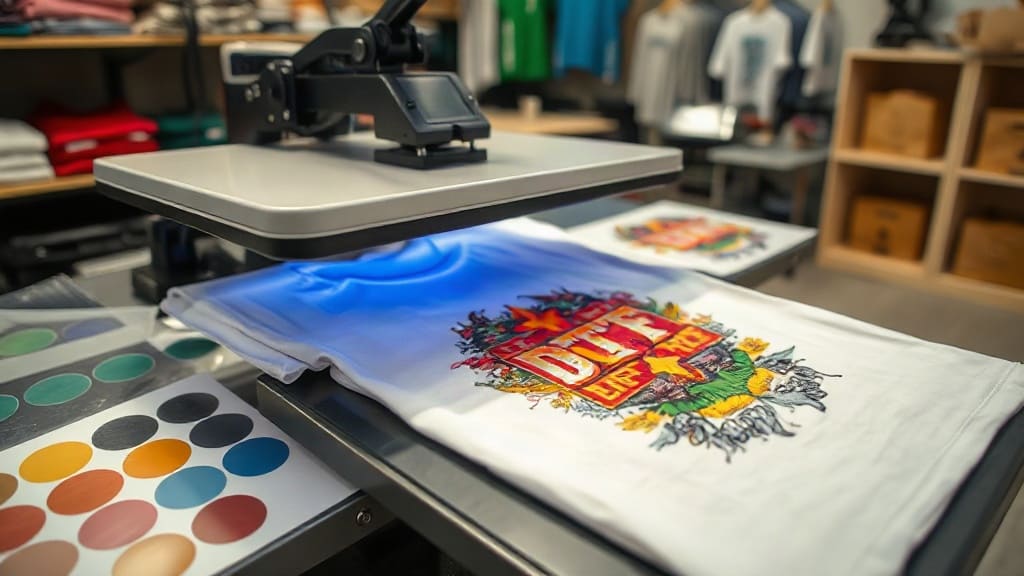
Direct-to-film printing has revolutionized the custom apparel industry, and DTF transfers are at the heart of this transformation. If you're running a custom t-shirt business or looking to expand your product line, understanding how to pick the right transfers is crucial. In this guide, I'll share practical insights based on my experience in the industry, covering everything from film quality to adhesive performance. Let's dive into what makes a great DTF transfer so you can avoid common pitfalls and delight your customers.
Understanding DTF Transfers
DTF transfers are printed designs on a special film that can be transferred to fabrics using a heat press. Unlike traditional screen printing, DTF allows for high-detail, full-color prints without the need for screens. This makes it ideal for small batches and complex designs. The process involves printing on a PET film, applying adhesive powder, and then curing it. When heat and pressure are applied, the design transfers onto the garment.
One of the biggest advantages of DTF is its versatility. You can print on cotton, polyester, blends, and even tricky materials like nylon or leather. This flexibility is why many entrepreneurs are switching to DTF. However, not all transfers are created equal. The quality of the transfer depends on several factors, which we'll explore below.
Key Factors to Evaluate in DTF Transfers
Choosing the right DTF transfers involves more than just picking a design. You need to consider the materials used, the print quality, and how well the transfer performs during application. Here are the critical aspects to look for:
- Film quality: The base film must be durable and compatible with your printer. Look for films that offer good ink absorption and don't curl easily.
- Ink and adhesive: High-quality inks produce vibrant colors, while the adhesive powder ensures the design bonds well with the fabric. Poor adhesive can lead to cracking or peeling.
- Print resolution: A high-resolution print ensures sharp details and smooth gradients. Check the DPI of the transfer; higher DPI usually means better quality.
- Stretchability: The transfer should stretch with the fabric without breaking. Test it by stretching the printed area after application.
Compatibility with Your Equipment
Not all DTF transfers work with every printer or heat press. If you're producing transfers yourself, you need to ensure your printer is compatible with the film and ink you choose. Most DTF systems use Epson or Ricoh printers with pigment inks. If you're buying pre-made transfers, they should specify the recommended heat press settings. I've seen many business owners struggle because they used a transfer that required a different temperature than their press could handle. Always check the manufacturer's guidelines.
Printer Considerations
When selecting a DTF transfers supplier, ask about their compatibility with common printers. Some suppliers offer optimized profiles for popular models, which can save you time and frustration. Additionally, consider the type of film: some are designed for specific ink types, like water-based or solvent-based inks.
Heat Press Settings
The heat press plays a vital role in the transfer process. Most DTF transfers require a temperature between 300°F and 320°F (about 150-160°C) for 10-20 seconds with medium pressure. However, these settings can vary based on the fabric and transfer type. A good supplier will provide clear instructions. I recommend testing on a sample fabric before committing to a full batch.
Design and Durability
The visual appeal and longevity of your prints depend on the design quality and the transfer materials. When it comes to design, ensure that the artwork is high-resolution and suitable for DTF printing. Avoid overly complex designs with fine details that might not transfer well. Also, consider the colors: DTF can reproduce a wide gamut, but some neon or fluorescent colors may not be as vibrant.
Durability is another concern. A high-quality transfer should withstand multiple washes without fading or cracking. Look for transfers that are tested for washability. I always recommend doing a wash test: apply the transfer to a sample garment, wash it a few times, and check for any signs of wear. This simple step can save you from customer complaints later.
Cost-Effectiveness and Sourcing
Cost is a major factor for any business. DTF transfers can be more cost-effective than screen printing for small orders, but you need to compare prices from different suppliers. Be wary of extremely cheap options, as they often compromise on quality. Instead, look for a balance between price and performance. Some suppliers offer bulk discounts or loyalty programs, which can reduce your per-unit cost.
When sourcing transfers, consider the supplier's reputation and customer reviews. I've learned that a reliable supplier is worth more than saving a few cents per transfer. Look for suppliers who are responsive and offer samples for testing. This is especially important if you're new to DTF and want to ensure the product meets your standards.
Application Tips for Perfect Results
Even with the best DTF transfers, improper application can ruin the print. Here are some tips I've gathered from years of experience:
- Pre-press the garment for a few seconds to remove moisture and wrinkles.
- Position the transfer carefully, ensuring it's centered and straight.
- Use a Teflon sheet or parchment paper to protect the transfer and press.
- Apply even pressure and follow the recommended time and temperature.
- After pressing, peel the film hot or cold? This depends on the transfer type. Some require hot peeling, others cold. Always follow the instructions.
If you're producing transfers in-house, also ensure your curing process is consistent. Under-curing can lead to poor adhesion, while over-curing might affect the colors. I suggest keeping a log of your settings for different fabrics to achieve consistency.
Common Mistakes to Avoid
Many beginners make avoidable mistakes when using DTF transfers. One of the most common is not testing before a large run. Always do a test press on the actual fabric type you'll be using. Another mistake is ignoring the required peel temperature. Some transfers must be peeled cold, and doing it hot can cause the design to pull or smudge. Also, don't forget to adjust your press pressure; too much or too little can affect the transfer quality.
Another pitfall is choosing transfers that are too thick for your application. Some transfers have a thick adhesive layer that can cause stiffness on lightweight garments. If you're printing on delicate fabrics, look for thin, flexible transfers. Finally, don't overlook the importance of proper storage. Keep your transfers in a cool, dry place away from direct sunlight to prevent premature curing or damage.
Frequently Asked Questions
Can DTF transfers be used on any fabric?
Yes, DTF transfers are versatile and can be used on cotton, polyester, blends, and many other materials. However, the transfer quality can vary depending on the fabric's texture. For best results, test on a sample piece first. Some fabrics with high stretch or water-repellent coatings may require special adhesives or adjustments in press settings.
How long do DTF prints last?
With proper application and care, DTF prints can last as long as the garment itself, typically 30-50 washes. To maximize durability, wash garments inside out in cold water and avoid bleach. The quality of the transfer and the curing process also play a significant role in longevity.
Do I need a special printer for DTF transfers?
Yes, DTF printing requires a printer that can handle pigment inks and is compatible with PET films. Most people use modified Epson or Ricoh printers. Alternatively, you can purchase pre-made DTF transfers from a supplier, which eliminates the need for a printer and simplifies the process.
What is the difference between DTF and DTG?
DTF (Direct to Film) transfers are printed on a film and then heat-pressed onto the fabric, while DTG (Direct to Garment) prints directly onto the shirt. DTF offers more flexibility in terms of fabric types and allows for batch production. DTG is better for large quantities of a single design directly on cotton. Each method has its pros and cons, so choose based on your business needs.
Final Thoughts
Selecting the right DTF transfers is a game-changer for your custom apparel business. By paying attention to quality, compatibility, and application techniques, you can produce stunning, durable prints that keep your customers coming back. Remember to test, ask questions, and build a relationship with a trusted supplier. With the right approach, DTF can be a profitable and enjoyable part of your business. Now, get out there and start creating amazing products!