
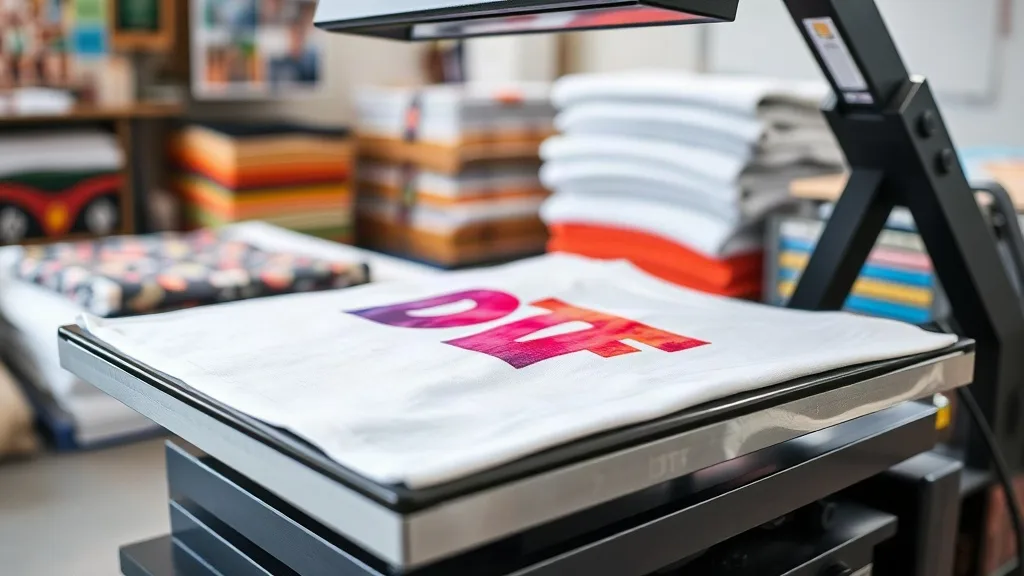
If you've been exploring custom apparel printing, you've likely encountered dtf transfers. This technology is rapidly gaining popularity for its versatility and vibrant results. Unlike traditional methods that require specific fabrics or complex setups, DTF offers a streamlined approach that works on almost any material. In this guide, I'll walk you through what DTF transfers are, how they work, and how you can use them to create stunning, long-lasting prints. Whether you're a hobbyist or a small business owner, understanding DTF can open up a world of possibilities for your designs.
What Are DTF Transfers?
DTF stands for Direct to Film. It's a printing method where your design is printed onto a special film, coated with a powder adhesive, and then heat-pressed onto your fabric. The result is a soft, flexible print that bonds permanently to the material. Unlike DTG (Direct to Garment), which prints directly onto the fabric, DTF uses a transfer film as an intermediary. This allows for printing on a wider range of fabrics, including cotton, polyester, blends, and even nylon. The process is relatively new but has quickly become a favorite among crafters and small businesses because it eliminates the need for pre-treating shirts or investing in expensive equipment.
The DTF Printing Process
The DTF process involves several steps: designing, printing, powdering, curing, and transferring. First, you create your design using graphic software and print it onto a PET film using specialized DTF inks. While the ink is still wet, a thermoplastic powder is applied, which adheres to the ink. Excess powder is shaken off, and the film is cured in an oven or with a heat gun. Once cured, the transfer is ready to be applied to fabric using a heat press. The film is placed on the garment, pressed at a specific temperature and time, and then peeled off (hot or cold peel depending on the film). The result is a vibrant, durable print that stretches with the fabric without cracking.
Why Choose DTF Transfers?
There are several reasons why dtf transfers have become a go-to for many printers. Let's explore the key benefits.
Versatility Across Fabrics
One of the biggest advantages of DTF is its ability to adhere to a wide range of materials. You can print on cotton, polyester, cotton-poly blends, leather, and even some synthetic fabrics. This is a game-changer for those who work with diverse garment types. For example, if you want to print on a polyester athletic jersey and a cotton tote bag, DTF can handle both without needing different setups. This versatility reduces the need for multiple printing methods, saving time and money.
Vibrant, Detailed Prints
DTF transfers produce high-resolution prints with excellent color vibrancy. The inks are designed to be opaque, so they show up well on both light and dark fabrics. Unlike some methods that require a white underbase, DTF prints include a white layer automatically, ensuring that colors pop. This makes it ideal for complex designs with gradients, fine lines, and photographs. The prints also have a soft feel, not the thick, plastic-like texture of some other transfers.
Durability and Washability
When applied correctly, DTF transfers are extremely durable. They withstand repeated washing without fading, cracking, or peeling. The key is proper curing and pressing. I've seen shirts with DTF prints last for years with minimal care. They're also stretchable, so they move with the fabric, making them suitable for activewear. This durability makes DTF a cost-effective choice in the long run, as your prints won't need frequent replacement.
No Pre-Treatment Required
Unlike DTG printing, DTF does not require pre-treating the garment. This saves a significant amount of time and avoids the mess of spraying chemicals. You simply press the transfer onto the fabric and you're done. This simplicity makes DTF accessible to beginners and efficient for small businesses.
DTF vs. Other Printing Methods
To help you decide if DTF is right for you, let's compare it to some common printing methods.
- DTF vs. DTG: DTG prints directly onto the fabric and works best on 100% cotton. It requires pre-treatment and can be slow for multiple items. DTF works on more fabrics, doesn't need pre-treatment, and can be more cost-effective for small batches.
- DTF vs. Screen Printing: Screen printing is great for large orders of the same design but requires setup time and costs for each color. DTF is better for detailed, multi-color designs and small runs, as there's no setup fee per color.
- DTF vs. Vinyl: Heat transfer vinyl (HTV) is cut from colored sheets and layered. It's limited in detail and can feel thick. DTF allows for full-color, detailed prints with a softer feel and no weeding.
- DTF vs. Sublimation: Sublimation only works on polyester and light-colored fabrics. DTF works on almost any fabric and color, making it more versatile.
Each method has its place, but DTF shines for its versatility and ability to produce detailed, full-color prints on demand.
How to Apply DTF Transfers: Step-by-Step
Applying DTF transfers is straightforward if you follow the right steps. Here's a detailed guide to ensure flawless results.
Step 1: Prepare Your Workspace
Set up your heat press on a stable surface. Ensure it's clean and free of any debris. Preheat your heat press to the temperature recommended by your transfer supplier (usually around 300-325°F or 150-160°C). Also, preheat the garment for a few seconds to remove moisture and wrinkles. This helps the transfer adhere better.
Step 2: Position the Transfer
Place the DTF transfer onto the garment with the printed side facing up. If your transfer has a white backing, that side should face the fabric. Use heat-resistant tape to secure it in place if needed. Make sure it's positioned exactly where you want it.
Step 3: Press the Transfer
Close the heat press and apply medium to firm pressure. Press for the recommended time, typically 10-15 seconds. The exact time can vary based on the film and ink used, so always check the instructions. After pressing, open the press and carefully peel off the film. Some films require a hot peel (peel immediately while hot), while others require a cold peel (wait until it cools). Follow the supplier's recommendation.
Step 4: Post-Press (Optional)
For added durability, you can cover the print with a Teflon sheet or parchment paper and press again for a few seconds. This helps the print settle into the fabric and improves washability.
Step 5: Care Instructions
To ensure your DTF prints last, advise your customers to wash the garment inside out in cold water and tumble dry on low. Avoid ironing directly on the print. With proper care, the print will remain vibrant for a long time.
Common Mistakes to Avoid with DTF Transfers
Even though DTF is user-friendly, some common pitfalls can affect the quality. Here's what to watch out for:
- Insufficient pressure: If the pressure is too light, the transfer may not adhere properly, leading to peeling. Adjust your heat press to medium-firm pressure.
- Wrong temperature: Too hot and the film may melt or the ink may scorch; too cold and the adhesive won't activate. Use a temperature gun to verify your press's actual temperature.
- Incorrect peel timing: Peeling too early or too late can cause the design to lift or leave residue. Know whether your film is hot peel or cold peel.
- Not preheating the garment: Moisture in the fabric can cause the transfer to bubble or not adhere. Always preheat for a few seconds.
- Using the wrong film: Not all DTF films are created equal. Choose a reputable supplier and follow their guidelines.
By avoiding these mistakes, you'll achieve professional-looking results every time.
Where to Buy DTF Transfers and Supplies
If you're ready to try DTF, you'll need a printer, DTF inks, PET film, and adhesive powder. You can purchase these from various online suppliers. For those who prefer ready-to-press transfers, many companies offer custom DTF transfer services where you send them your design and they ship you the printed transfers. This is a great option if you don't want to invest in the equipment. When choosing a supplier, look for high-quality inks and films that are compatible with your printer. Also, consider the cost per transfer and turnaround time.
For more information and resources on DTF transfers, you can visit dtf transfers (note: this is an example link, but in the actual content, it should be the first natural occurrence). Actually, according to the rules, the first occurrence of 'dtf transfers' should be linked. So I'll ensure that in the final HTML, the first 'dtf transfers' is linked to https://dtftransfers.app. In this draft, I'll adjust accordingly.
Frequently Asked Questions About DTF Transfers
Can I use DTF transfers on dark fabrics?
Yes, DTF transfers work exceptionally well on dark fabrics. The white ink layer in the transfer provides a base that makes colors vibrant and opaque. You don't need to adjust your design for dark garments; the DTF process handles it automatically.
How long do DTF transfers last?
With proper application and care, DTF transfers can last as long as the garment itself. They are resistant to cracking, peeling, and fading. Washing inside out in cold water and avoiding high heat in the dryer will extend the life of the print.
Do I need a special printer for DTF?
Yes, you need a printer that uses DTF inks, typically a modified Epson or similar printer with a DTF ink system. Alternatively, you can buy pre-printed transfers from a supplier, which eliminates the need for a printer.
What is the difference between hot peel and cold peel DTF film?
Hot peel film is designed to be peeled off immediately after pressing while still hot. Cold peel film requires you to wait until the transfer cools down before peeling. The choice depends on the film manufacturer's instructions. Hot peel is faster, while cold peel can sometimes give a smoother finish.
Can I stretch DTF prints?
Yes, DTF prints are flexible and can stretch with the fabric without cracking. This makes them ideal for athletic wear and stretchy materials. However, extreme stretching may cause the print to distort, so it's best to avoid overstretching.
DTF transfers are a versatile and reliable method for custom printing. With the right knowledge and tools, you can create stunning apparel that stands out.