
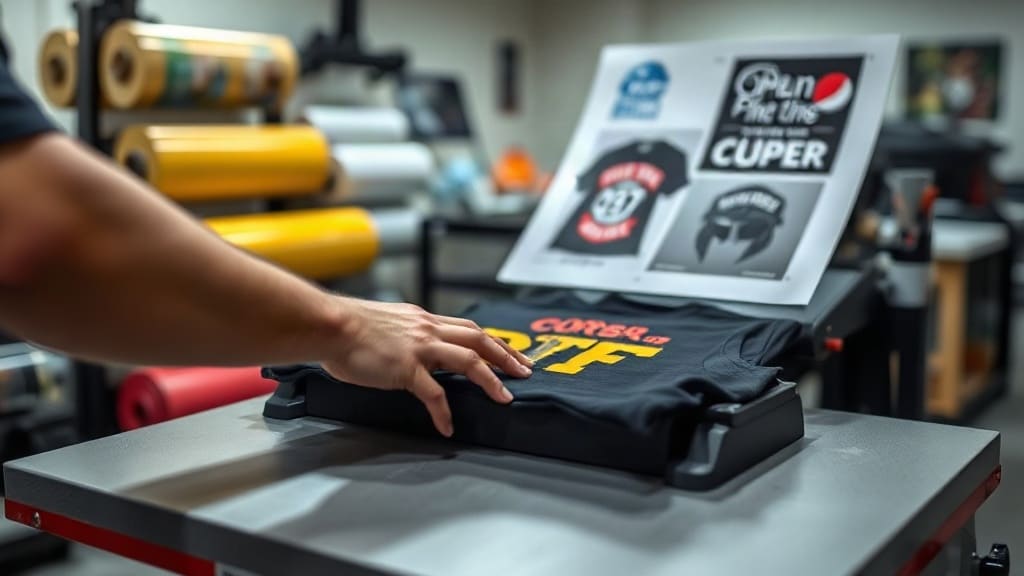
When you're searching for DTF transfers near me, it's easy to feel overwhelmed by the choices. Maybe you're a small business owner needing custom apparel, or a craft enthusiast exploring new printing methods. Either way, finding a reliable local provider can save you time and ensure quality. In this guide, I'll share what I've learned from years in the industry, including how to spot top-notch services and avoid common pitfalls.
Understanding DTF Transfers
DTF stands for Direct to Film. It's a printing method where designs are printed onto a special film, coated with adhesive powder, and then heat-pressed onto fabrics. Unlike screen printing, it allows for vibrant colors and intricate details without setup fees. It works on various materials, including cotton, polyester, and blends.
Why Choose a Local Provider?
Opting for a nearby service means you can inspect samples, discuss details face-to-face, and often get faster turnaround. You also support your local economy. But not all providers are equal, so it's crucial to evaluate them carefully.
Key Factors to Evaluate When Searching for DTF Transfers
Here are the aspects I always check when recommending a provider to friends or clients. These will help you separate the pros from the amateurs.
Quality of Materials
Ask what films and inks they use. Premium suppliers use high-quality PET film and solvent-based inks that resist fading and cracking. Low-cost options might use cheaper materials that peel after a few washes. A trustworthy printer will gladly share their product specs.
Print Resolution and Color Accuracy
Look at their print samples closely. Fine details and gradients should be sharp, without banding or color shifts. If possible, bring a design with a skin tone or complex logo to test their color matching. The best providers use color management systems to ensure consistency.
Adhesive Powder and Finish
The adhesive coat is what bonds the design to the fabric. It should be even and fully cover the printed area. Poorly applied powder leads to weak adhesion and cracking. Ask if they use a hot-melt adhesive powder and how they ensure even distribution.
Turnaround Time
While local shops often offer quicker service, confirm their current workload. A typical turnaround for custom transfers is 2–5 business days. If you need rush orders, check if they offer expedited services and at what cost.
Pricing and Minimums
Some providers have no minimums, which is great for testing. Others require bulk orders. Compare prices per transfer, but don't sacrifice quality for a few cents. In this business, you get what you pay for.
Questions to Ask Before Placing an Order
I've compiled a list of essential questions that will help you gauge a provider's expertise and reliability. Don't hesitate to ask these when you contact them.
- Can I see samples of your work? A reputable provider will have a portfolio or physical samples.
- What is your production process? They should walk you through printing, powdering, and finishing.
- Do you offer a test print? Some providers will create a small transfer for you to test on your own garment.
- What is your return policy if the transfer fails? Know their policy in case of defects.
- Do you provide application instructions? Proper pressing is crucial, so they should offer guidelines.
Tips for Applying DTF Transfers Successfully
Even the best DTF transfers near me can fail if applied incorrectly. Here's how to get a professional finish.
Use the Right Heat Press Settings
Generally, DTF transfers require 320°F (160°C) for 15 seconds with medium pressure. However, always follow the manufacturer's recommendations. Different films and powders have specific requirements.
Pre-Press Your Garment
Remove moisture and wrinkles by pressing the garment for 2-3 seconds. This ensures a smooth surface and better adhesion.
Even Pressure and Coverage
Ensure the heat press platen covers the entire transfer. If the design is larger than the platen, you may need a larger press or a different application method. Uneven pressure leads to patchy results.
Peel the Film While Warm
After pressing, wait a few seconds, then peel the film off. Some films require hot peel, others cold. Check the instructions. A clean peel indicates good adhesion.
Common Mistakes to Avoid
Through my experience, I've seen many DIYers and even businesses make these errors. Avoid them to save money and frustration.
- Skipping the test print. Always test on a similar fabric before committing to a bulk order.
- Using too low a temperature. This under-cures the adhesive, causing peeling.
- Not cleaning the garment. Dirt or lint can interfere with bonding.
- Stretching the fabric during pressing. This can distort the design.
How to Compare Local Providers
Now that you know what to look for, here's a systematic way to compare your options.
- Create a shortlist of at least three providers from your search.
- Visit their websites or social media pages to see their work.
- Read online reviews, but focus on recent ones and patterns.
- Request quotes from each, providing the same design and quantity.
- Ask for samples if possible, and test them on your own garments.
- Consider their communication speed and helpfulness.
This approach ensures you make an informed decision based on quality, not just price.
Benefits of Using DTF Transfers
If you're new to DTF, here's why it's become so popular among apparel decorators.
Vibrant Colors and Detail
DTF prints are known for their vivid colors and ability to reproduce complex graphics, including gradients and fine lines. They often look better than screen prints for detailed designs.
Versatility
You can apply DTF transfers to various fabrics, including dark and light colors, without pre-treating. This saves time and simplifies the process.
No Minimums
Unlike screen printing, which requires setup, DTF allows for single prints at a reasonable cost. This is perfect for custom orders or testing new designs.
Durability
When applied correctly, DTF transfers withstand multiple washes without fading or cracking. They are suitable for both everyday wear and promotional items.
Real-World Example: How I Found My Go-To Provider
Last year, I needed 50 custom shirts for a charity event. I searched online and found three local printers. I sent them the same design and asked for samples. Two offered quick replies, but only one sent a physical sample before I ordered. That sample survived 20 washes in my test. That's the one I chose, and the final shirts were a hit.
This experience taught me that investing time in evaluation pays off. The cheapest option wasn't the best, and the most expensive wasn't necessary either.
Future Trends in DTF Printing
The DTF industry is evolving. More providers are adopting eco-friendly inks and films. Some are experimenting with special effects like glitter or puff. Keep an eye on these innovations to stay ahead.
Frequently Asked Questions
How do I find DTF transfers near me that offer rush orders?
When searching, use keywords like "rush DTF" or "express transfers". Call providers and ask about their fastest turnaround. Many offer 24-hour service for an extra fee. Always confirm they can meet your deadline before ordering.
What is the cost difference between DTF transfers and screen printing?
For small quantities (under 20), DTF is usually cheaper because there's no setup fee. Screen printing becomes cost-effective for larger runs due to lower per-unit costs. For one-off custom items, DTF is the winner.
Can DTF transfers be applied to any fabric?
Mostly, yes. DTF works on cotton, polyester, blends, nylon, and even leather. However, very stretchy fabrics might require special low-stretch films. It's best to test on a scrap piece first.
How long do DTF transfers last?
With proper application and care, they can last as long as the garment itself. Wash inside out in cold water and avoid tumble drying on high heat to extend their life.
Do I need special equipment to apply DTF transfers?
You need a heat press that can reach 320°F and apply even pressure. A home iron is not recommended because it doesn't provide consistent heat or pressure. Some crafters use a heat press for small projects, which is fine.
Final Thoughts
Finding the right DTF transfers near me doesn't have to be a gamble. By focusing on quality, asking the right questions, and testing before committing, you can ensure beautiful, lasting results. Whether you're a business owner or a hobbyist, these steps will help you make a smart choice. So go ahead, start your search, and create something amazing.