
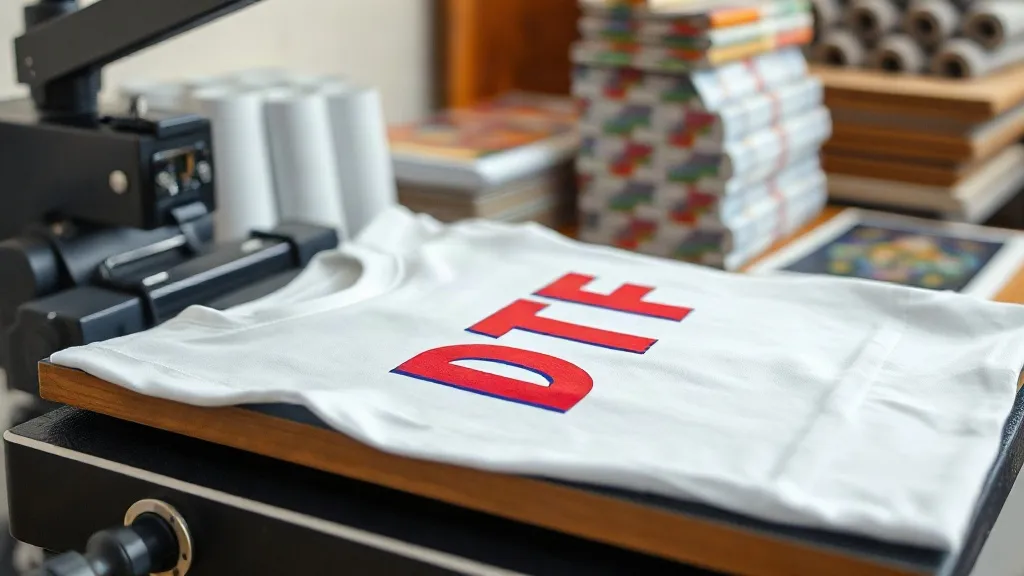
If you're new to the world of custom apparel, you've likely heard about DTF transfers. This innovative printing method is taking the industry by storm, offering vibrant colors, intricate details, and impressive durability. But what exactly are DTF transfers, and how can you use them to create stunning garments? In this beginner's guide, we'll walk you through the entire process, from understanding the technology to applying your first transfer like a pro.
What Are DTF Transfers?
DTF stands for Direct-to-Film. It's a printing technique where your design is printed onto a special film, coated with a powdered adhesive, and then heat-pressed onto fabric. Unlike DTG (Direct-to-Garment) printing, which prints directly onto the shirt, DTF transfers allow you to print on a wide variety of materials, including cotton, polyester, blends, and even some non-textiles. The result is a soft, stretchable, and highly durable print that can handle repeated washing without fading or cracking.
Why Choose DTF Transfers?
There are several reasons why DTF transfers have become a favorite among crafters and small businesses:
- Versatility: Works on almost any fabric, including dark colors and synthetic materials.
- Durability: Prints resist cracking, peeling, and fading.
- Detail: Captures fine lines and gradients with exceptional clarity.
- Cost-effective: No need for expensive equipment or minimum orders.
- Easy to use: With a heat press, you can achieve professional results at home.
Understanding the DTF Printing Process
To get the best results, it helps to understand how DTF transfers are made. The process involves several steps:
- Design preparation: Your artwork is prepared and printed in reverse onto a special film using DTF inks.
- Powder application: While the ink is still wet, a thermoplastic adhesive powder is applied evenly over the design.
- Curing: The film is heated to melt the powder, creating a bond that will adhere to fabric.
- Transfer: The cured film is then pressed onto the garment with a heat press.
Many people choose to buy pre-printed DTF transfers from suppliers, which eliminates the need for a printer and powder. This is a great option for beginners or those who want to focus on application and selling.
Choosing the Right DTF Transfers
When purchasing DTF transfers, quality matters. Look for suppliers who use high-quality inks and film, and who provide clear instructions. If you're searching for dtf transfers near me, you can often find local print shops or online stores that offer fast shipping. At dtfmood.com, we specialize in premium DTF transfers that are ready to press, ensuring vibrant colors and long-lasting results.
How to Apply DTF Transfers: Step-by-Step
Applying DTF transfers is straightforward if you follow the right steps. Here's a detailed guide:
1. Prepare Your Workspace and Materials
You'll need a heat press, your garment, the DTF transfer, and a protective sheet (like parchment paper or a Teflon sheet). Ensure your heat press is preheated to the recommended temperature (usually around 300-320°F or 150-160°C).
2. Pre-Press the Garment
Pre-pressing removes moisture and wrinkles, creating a smooth surface for the transfer. Press for 5-10 seconds at the same temperature you'll use for the transfer.
3. Position the Transfer
Place the transfer onto the garment with the printed side facing up. If your transfer has a carrier film, make sure the adhesive side is against the fabric.
4. Press the Transfer
Cover the transfer with a protective sheet and press with medium to firm pressure for 10-15 seconds. Avoid using too much pressure, as it can cause the design to spread.
5. Peel the Film
Wait a few seconds for the transfer to cool slightly (check your supplier's instructions for hot peel vs. cold peel). Peel the film smoothly and evenly. If any part of the design lifts, press again for a few seconds.
6. Post-Press for Durability
For added durability, press the finished garment again for 5-10 seconds with a protective sheet. This helps the adhesive fully bond with the fabric.
Common Mistakes to Avoid
Even with the best DTF transfers, mistakes can happen. Here are some pitfalls to watch out for:
- Insufficient pressure: Leads to poor adhesion and peeling.
- Wrong temperature: Too hot can scorch the fabric or melt the film; too cold results in weak bond.
- Not pre-pressing: Moisture and wrinkles prevent proper adhesion.
- Peeling too early or too late: Follow the recommended peel method.
- Using the wrong fabric: While DTF works on many fabrics, some may require lower temperatures.
DTF vs. Other Printing Methods
How does DTF compare to other popular techniques?
- DTF vs. DTG: DTF is more versatile with fabrics and colors, and often more durable. DTG is better for 100% cotton and has a softer feel.
- DTF vs. Screen Printing: Screen printing is cost-effective for large orders but requires setup and is limited to certain fabrics. DTF is ideal for small batches and complex designs.
- DTF vs. Vinyl: Vinyl is great for simple shapes but can't handle intricate details. DTF excels with gradients and fine lines.
Tips for Long-Lasting DTF Prints
To ensure your DTF transfers stand the test of time:
- Wash garments inside out in cold water.
- Avoid using bleach or harsh detergents.
- Tumble dry on low or hang dry.
- Do not iron directly over the print.
- Wait at least 24 hours before washing.
Frequently Asked Questions
Can I use DTF transfers on 100% polyester?
Yes, DTF transfers work great on polyester. However, lower the press temperature slightly (around 280-300°F) to prevent the fabric from scorching or the print from becoming glossy.
How do I find DTF transfers near me?
You can search online for local print shops or suppliers, or simply order from reputable online stores like dtfmood.com. Many offer fast shipping and high-quality transfers.
What is the best heat press for DTF transfers?
A quality heat press with consistent temperature and pressure is key. Clamshell or swing-away presses both work well. Ensure it can reach at least 320°F.
How long do DTF transfers last?
With proper application and care, DTF prints can last 50+ washes without significant fading or cracking.
Can I stretch DTF prints?
Yes, DTF prints are stretchable and will move with the fabric without cracking, thanks to the elastic adhesive powder.
Conclusion
DTF transfers offer a fantastic way to create custom apparel with vibrant, durable designs. Whether you're a hobbyist or a business owner, mastering the DTF process can open up a world of creative possibilities. Remember to choose high-quality transfers, follow the application steps carefully, and care for your garments properly. With a little practice, you'll be producing professional-grade items that impress.