
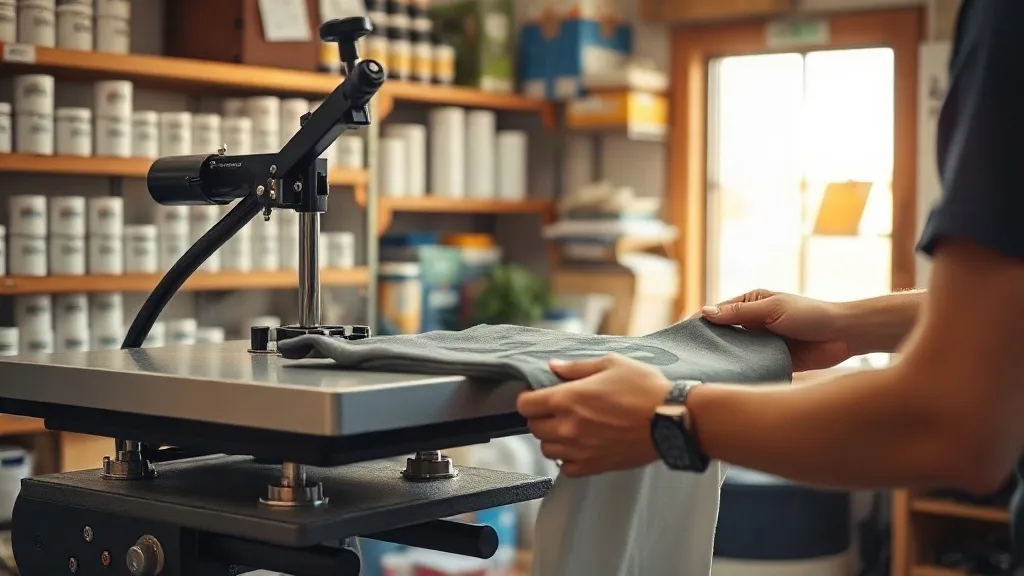
You have a queue of orders, a fresh design file, and a heat press that is ready to go. Then you realize you are out of film. The last order of dtf transfers you placed is still three days away, and your customer is expecting the shirt tomorrow. This scenario is all too familiar for print shops that rely on distant suppliers. The solution might be closer than you think: sourcing dtf transfers near me can dramatically reduce downtime and keep your promises.
The hidden costs of long-distance sourcing
Ordering supplies from a large online warehouse often seems convenient, but the true cost emerges when you factor in shipping time, potential delays, and the inability to inspect the product before purchase. For a busy shop, every hour without materials is lost revenue. Local sourcing eliminates these pain points by putting the supply chain within arm's reach.
Shipping delays that break deadlines
Even the most reliable carriers face weather, holidays, and logistical hiccups. When your dtf film is stuck in transit, you cannot press shirts. Local suppliers often offer same-day or next-day pickup, so you can restock without disrupting your schedule.
Quality control you can see and feel
With local sourcing, you can visit the supplier, inspect the film and powder, and even test a sample before committing to a large order. This hands-on approach reduces the risk of receiving defective batches that could ruin your prints and your reputation.
How local DTF transfers streamline your workflow
Integrating local suppliers into your production process is not just about convenience; it is a strategic move that enhances efficiency and customer satisfaction. Here is how it transforms your day-to-day operations.
Faster turnaround for rush orders
When a customer needs a last-minute team jersey or a promotional shirt for an event, you cannot afford to wait for shipping. Local suppliers can often provide dtf transfers within hours, allowing you to complete the job and exceed expectations.
Reduced inventory overhead
You no longer need to stockpile months' worth of film and powder. With a local source, you can order smaller quantities more frequently, freeing up cash flow and storage space. This just-in-time approach minimizes waste and keeps your inventory lean.
Direct communication and support
Building a relationship with a local dtf supplier gives you access to personalized support. You can ask questions, get troubleshooting advice, and receive recommendations tailored to your specific equipment and fabric types. This level of service is rarely available from large online retailers.
What to look for in a local DTF supplier
Not all local suppliers are created equal. To maximize the benefits, you need to evaluate potential partners carefully. Here are the key factors to consider.
- Product quality: Request samples and test them on your typical garments. Check for color vibrancy, wash durability, and ease of application.
- Range of offerings: Ensure they carry the film widths, powder types, and ink brands that match your equipment. A supplier who understands your specific press and workflow is ideal.
- Turnaround time: Confirm their order processing and pickup/delivery times. Can they accommodate urgent requests?
- Pricing and minimums: Compare costs with your current supplier, but also consider the savings from reduced shipping and faster production. Some local suppliers offer price matching or volume discounts.
- Reputation and reviews: Ask other local shops about their experiences. A supplier with a strong track record in the community is likely reliable.
The environmental and community benefits
Choosing local is not only good for your business; it also reduces your carbon footprint by cutting down on long-distance shipping. Additionally, you are supporting the local economy and fostering a network of businesses that can refer customers to each other. In a competitive market, these relationships can be invaluable.
How to transition to local sourcing smoothly
Switching suppliers might seem daunting, but with a planned approach, you can make the change without missing a beat.
- Audit your current usage: Track how much film, powder, and ink you use per month to estimate your needs.
- Research local options: Search online for dtf transfers near me and read reviews. Visit suppliers in person if possible.
- Request samples: Test the quality before placing a large order. Run a small batch of shirts and evaluate the results.
- Negotiate terms: Discuss pricing, delivery schedules, and minimum order quantities. Many local suppliers are flexible for regular customers.
- Gradually shift your orders: Start with a portion of your supply to minimize risk, then increase as you gain confidence.
Common pitfalls to avoid
While local sourcing has many advantages, there are a few things to watch out for. Avoid suppliers who cannot provide consistent quality or who lack knowledge about DTF technology. Also, be wary of extremely low prices that may indicate inferior materials. Always prioritize reliability over rock-bottom costs.
Frequently asked questions about local DTF transfers
How do I find reliable DTF transfers near me?
Start by searching online for dtf transfers near me and check reviews on Google and social media. Ask for recommendations in local printing groups or forums. Visiting a supplier in person allows you to assess their operation and product quality directly.
Can local suppliers match the prices of online giants?
Often, yes, especially when you factor in shipping costs and the value of faster turnaround. Many local suppliers offer competitive pricing and may provide discounts for bulk orders or regular customers. It is worth negotiating.
What is the typical turnaround time for local DTF transfers?
Turnaround varies by supplier, but many offer same-day or next-day service for in-stock items. Some even provide rush options for urgent orders. Always confirm their schedule before committing.
Are local DTF transfers of lower quality than online options?
Not necessarily. Quality depends on the supplier's materials and processes. Many local suppliers use the same premium films and powders as online retailers. Request samples to verify quality before ordering.
How can I build a good relationship with a local DTF supplier?
Communicate openly about your needs, pay promptly, and provide feedback. A strong partnership can lead to priority service and better pricing. Consider referring other shops to them as a gesture of goodwill.
Switching to local sourcing for your dtf transfers is a smart move that can improve your shop's efficiency, reduce stress, and strengthen your community ties. With a bit of research and testing, you will find a supplier who becomes an invaluable part of your production process.