
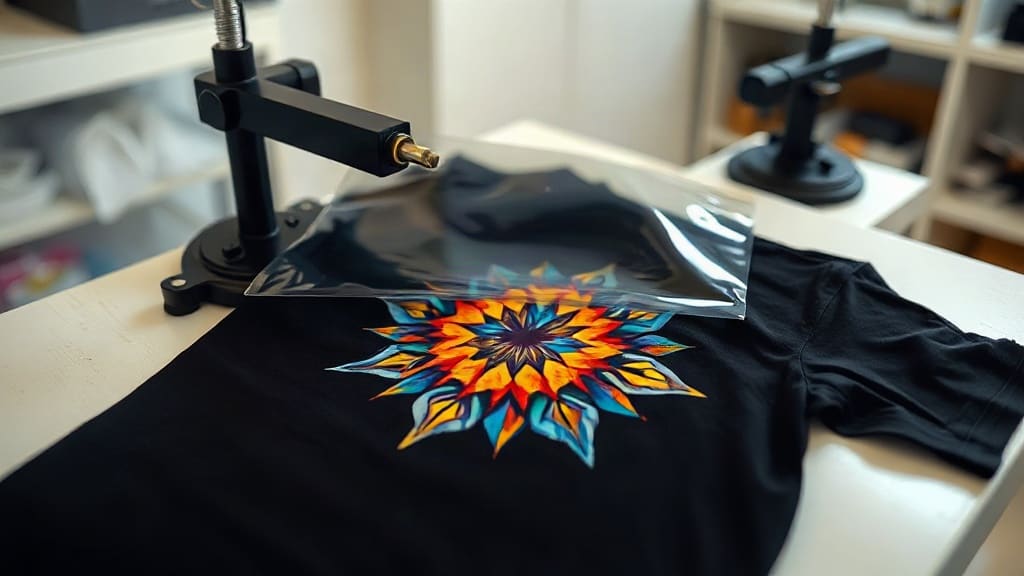
Direct-to-film printing, commonly known as DTF transfers, has taken the custom apparel industry by storm. Unlike traditional methods that require screens or complex setups, DTF offers a versatile, cost-effective way to create vibrant designs on various fabrics. Whether you are a hobbyist or a business owner, understanding how to leverage this technology can significantly expand your product range and increase profitability. In this comprehensive guide, we’ll break down the process, benefits, and best practices for using DTF transfers, so you can make informed decisions and produce stunning results.
What Are DTF Transfers?
DTF stands for Direct to Film. The process involves printing a design onto a special PET film using a CMYK printer and white ink. After printing, a powdered adhesive is applied to the wet ink, and the film is heated to cure the adhesive. Once the transfer is ready, it can be pressed onto a garment using a heat press. The result is a durable, flexible, and vibrant print that feels soft to the touch.
How DTF Transfers Work
The entire DTF workflow can be broken down into several key stages. Understanding each step helps ensure consistent quality and avoids common pitfalls.
Printing the Design
First, you need a design that is mirrored (if printing on white garments) or in the correct orientation for dark fabrics. The design is printed with a DTF printer, which lays down CMYK colors and a layer of white ink as a base. The white ink is crucial for designs on dark or colored fabrics, as it maintains opacity and vibrancy.
Applying Adhesive Powder
While the ink is still wet, the film passes through a shaker or is manually covered with a hot-melt adhesive powder. The powder sticks only to the printed areas. Excess powder is removed, after which the film goes through a drying or curing tunnel to melt the adhesive and bond it to the ink.
Pressing the Transfer
Once the transfer film is ready, you place it on the garment with the printed side down. Using a heat press, you apply pressure and heat (typically around 320°F to 340°F) for 10 to 15 seconds. After peeling the film, the design remains on the fabric, creating a permanent bond.
Advantages of DTF Transfers
Why have DTF transfers become so popular? The benefits are numerous, especially when compared to other methods like screen printing or vinyl heat transfer.
Versatility Across Fabrics
One of the biggest advantages of DTF is its ability to stick to a wide range of materials. From cotton and polyester to blends, nylon, and even leather, DTF works on almost any fabric. This flexibility opens up opportunities for customizing items that were previously difficult to print on.
No Weeding Required
Unlike vinyl heat transfer, DTF eliminates the tedious weeding process. Since the adhesive only sticks to the printed design, you don’t have to manually cut away excess material. This saves a significant amount of time, especially for complex designs with fine details.
Excellent Durability and Stretchability
DTF transfers are known for their durability. They can withstand numerous washes without cracking or fading. Moreover, they stretch with the fabric, making them ideal for sportswear and fitted garments. The prints maintain their integrity even when the fabric is pulled.
Cost-Effective for Small Batches
Traditional screen printing has high setup costs, making it only economical for large quantities. DTF transfers have minimal setup, so you can produce single custom items or small batches at a reasonable price. This is perfect for personalized orders, samples, or low-volume products.
DTF Transfers vs. Other Methods
To truly appreciate the value of DTF, it helps to compare it with alternatives like DTG (direct-to-garment), screen printing, and vinyl.
DTF vs. DTG
DTG prints directly onto the garment, which works well but is limited by fabric type (mostly cotton). DTF, on the other hand, can be applied to any fabric. Additionally, DTF transfers can be stored and pressed later, making them great for inventory management. DTG lacks this flexibility because you must print on demand.
DTF vs. Screen Printing
Screen printing is unbeatable for massive quantities due to its low per-unit cost. However, it requires intricate setup and is impractical for small orders. DTF transfers offer a lower barrier to entry and allow you to produce full-color designs with gradients and shadows that are difficult and expensive with screen printing.
DTF vs. Vinyl Heat Transfer
Vinyl is durable but only works well with solid colors and simple shapes. Weeding is a major drawback, and layered vinyl can become stiff. DTF handles complex, multi-colored graphics effortlessly and yields a softer feel.
How to Use DTF Transfers Effectively
To get the best results from your DTF transfers, follow these practical tips.
Choose the Right Film
Quality matters. Use a PET film that is compatible with your printer and has the right thickness. A good film ensures proper ink adhesion and prevents jamming.
Optimize Your Printer Settings
Calibrate your printer for the correct color output. Use ICC profiles to maintain color accuracy. Adjust the white ink layer to ensure opacity, especially for dark fabrics. Regular maintenance of your printer, including cleaning the printhead, is essential.
Use High-Quality Inks and Adhesive Powders
Subpar inks or powders can lead to poor adhesion, cracking, or fading. Invest in reputable brands that offer consistent results. The ratio of powder to ink also matters: too much powder can cause stiffness, too little can result in poor adhesion.
Master the Heat Press
The heat press temperature, pressure, and time are critical. Test on scrap fabric to find the ideal settings for your specific garment. A heat press with a digital control provides precise adjustments. Let the transfer cool slightly before peeling, but follow the manufacturer’s recommendations, as some films require hot peeling.
Pre-Press Your Garments
Moisture and wrinkles can affect adhesion. Pre-press the garment for a few seconds to remove moisture and smooth out wrinkles. This ensures a clean, flat surface for the transfer.
Common Issues and How to Solve Them
Even experienced users encounter problems. Here are some typical DTF issues and their solutions.
Poor Adhesion
If the design peels off after washing, the likely cause is inadequate pressure or temperature. Increase the pressure slightly and ensure the temperature is within the recommended range. Also, check that the adhesive powder is applied evenly and cured properly.
Faded Colors
Faded prints can occur if the white ink layer is too thin or if the design is printed on a light-colored fabric without sufficient ink density. Increase the white ink opacity or adjust color saturation in your design software.
Cracking
Cracking usually happens when the transfer is pressed at too low a temperature or for too short a time, resulting in an incomplete bond. Ensure you meet the minimum temperature and time. Also, avoid over-stretching the fabric immediately after pressing.
Frequently Asked Questions
Can DTF transfers be used on any fabric?
Yes, DTF transfers work on virtually any fabric, including cotton, polyester, nylon, and blends. They are especially useful for materials that are challenging for other methods, such as performance fabrics or items with coatings.
How many washes can DTF transfers withstand?
With proper application, DTF transfers can last for many washes, often exceeding 50 cycles without significant fading or cracking. The durability depends on the quality of materials and the pressing conditions.
Do I need a special printer for DTF?
Yes, DTF requires a printer equipped with white ink capability. Many users convert standard eco-solvent or water-based inkjet printers by adding a white ink channel, but dedicated DTF printers are recommended for consistent results.
What is the cost of starting a DTF business?
The startup cost varies. A basic DTF printer, heat press, and necessary supplies can range from a few thousand dollars to over ten thousand for professional-grade equipment. However, the low per-unit cost makes it an attractive investment for small businesses.
Can I make DTF transfers without a heat press?
No, a heat press is essential for applying DTF transfers. It provides the necessary temperature and pressure to activate the adhesive and bond the design to the fabric. While some try using a home iron, it rarely delivers satisfactory results due to uneven heat and pressure.
Final Thoughts
DTF transfers have revolutionized the custom apparel industry by combining the flexibility of digital printing with the durability of traditional methods. Their ability to work on diverse fabrics, produce vibrant colors, and require minimal setup makes them an ideal choice for both small-scale creatives and large production facilities. By understanding the process, investing in quality materials, and honing your technique, you can unlock endless possibilities for customization. Whether you are starting a new business or expanding an existing one, embracing DTF technology is a smart move that can set you apart in a competitive market.