
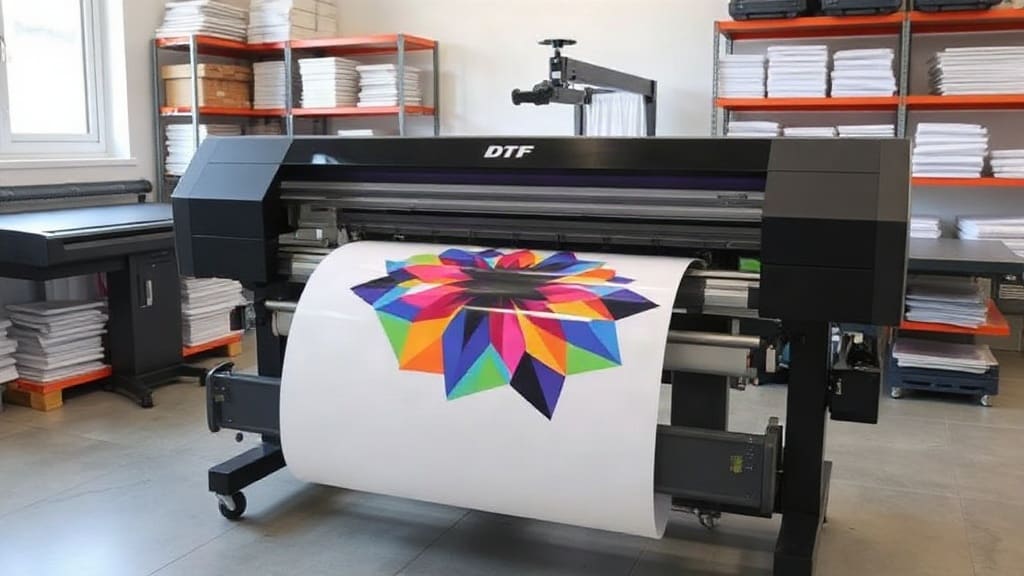
If you're in the custom apparel or printing business, you've likely heard about DTF (Direct to Film) printing. It's a versatile and cost-effective method for creating vibrant designs on various fabrics. But finding a reliable source for DTF transfers can be a challenge, especially if you're searching for DTF transfers near me. In this guide, we'll explore how to find the best local suppliers, what to consider, and how to ensure you get high-quality results every time.
Understanding DTF Transfers
Before diving into the search for local suppliers, it's essential to understand what DTF transfers are. DTF printing involves printing your design onto a special PET film, applying adhesive powder, and then heat-pressing it onto the fabric. Unlike screen printing or vinyl, DTF allows for detailed, full-color prints with a soft hand feel. It's popular for on-demand and small-batch production because there's no minimum order requirement.
Why Choose Local Suppliers?
When you search for DTF transfers near me, you might wonder why local is better than ordering online from big suppliers. Local suppliers offer several advantages:
- Faster turnaround times: You can pick up your transfers or get them delivered quickly, especially for urgent orders.
- Lower shipping costs: No cross-country shipping fees or long wait times.
- Face-to-face support: You can discuss your needs directly, see samples, and build a relationship.
- Supporting local businesses: It's great for your community and often means more personalized service.
How to Find DTF Transfers Near You
Finding a local DTF transfer provider requires a mix of online research and local networking. Here are some strategies:
1. Use Search Engines and Maps
Start by searching for DTF transfers near me on Google or Bing. Look at the map results and read reviews. Pay attention to business hours, contact information, and photos of their work. Websites like Yelp and Yellow Pages can also provide listings.
2. Check Social Media and Local Groups
Many small print shops advertise on Facebook, Instagram, and LinkedIn. Join local business groups or printing communities on social media. Ask for recommendations from other business owners or hobbyists who have used DTF transfers.
3. Visit Trade Shows and Local Events
If you're in the apparel industry, attending local trade shows, crafting fairs, or business expos can be a goldmine. You'll meet suppliers face-to-face, see their products, and often get special offers.
4. Ask for Referrals
Talk to other local businesses that use custom prints, like promotional product companies, sports teams, or schools. They might have a reliable DTF transfer source they can recommend.
What to Look for in a DTF Transfer Supplier
Not all DTF transfer providers are created equal. To ensure you get the best quality, consider these factors:
Quality of Prints
The most critical aspect is the quality of the DTF transfers themselves. Look for vivid colors, sharp details, and good adhesion. Ask for samples or test prints before committing to a bulk order. High-quality transfers should withstand multiple washes without cracking or fading.
Experience and Equipment
A supplier with modern equipment and experienced staff is more likely to produce consistent results. Inquire about their printing process, the type of films and inks they use, and how they handle color management. An experienced provider can also offer advice on design optimization for DTF.
Pricing and Minimums
Local suppliers might have different pricing structures. Some charge per transfer, while others have set-up fees. Compare prices, but don't sacrifice quality for cost. Also, ask about minimum order quantities. Some local shops may have lower minimums than large online services, which is great for small businesses.
Turnaround Time
One of the main benefits of local sourcing is speed. Ask about their standard turnaround time and whether they offer rush services. If they can't meet your deadlines, it might not be worth the convenience.
Customer Service
A good supplier should be responsive, helpful, and willing to answer questions. They should provide clear communication about order status and any potential issues. Since you're building a long-term relationship, choose someone who values your business.
Comparing Local vs. Online DTF Transfer Providers
Even after finding local options, you might still consider online providers for certain projects. Here's a quick comparison:
- Local providers: Faster, personalized, and often better for last-minute needs.
- Online providers: Usually cheaper per unit for larger orders, but shipping time and costs can be higher.
For small runs or urgent jobs, local is often better. For high-volume orders with a flexible timeline, online might be more cost-effective. But always factor in shipping costs and potential quality variations.
How to Test a Potential Supplier
Once you've shortlisted a few local suppliers, it's time to test them. Here's a systematic approach:
Order a Sample Kit
Many suppliers offer sample packs. Order a few different designs to evaluate print quality, texture, and durability. Make sure to test them on the actual fabric you plan to use.
Do a Test Wash
Wash a sample garment multiple times to see how the transfer holds up. Look for any signs of peeling, cracking, or fading. This is the ultimate test for DTF quality.
Check the Details
Examine the edges of the design. Are they clean? Is the white underbase opaque enough? Are colors vibrant? Small details matter, especially for intricate logos or text.
Building a Long-Term Relationship
Once you find a reliable local supplier, nurture the relationship. Communicate regularly, provide feedback, and be loyal. In return, you might get better pricing, priority service, and insider tips. A strong partnership can make your production smoother and more profitable.
Common Mistakes to Avoid
When searching for DTF transfers near me, avoid these pitfalls:
- Choosing solely based on price: The cheapest option often results in poor quality and wasted money.
- Not asking for samples: Always test before committing to large orders.
- Ignoring hidden fees: Clarify shipping, setup, and any other charges upfront.
- Skipping research: Read reviews and ask around. A supplier might look good online but have poor service.
Frequently Asked Questions
How long do DTF transfers last?
With proper application and care, DTF transfers can last as long as the garment itself. They withstand multiple washes and maintain color integrity if you use quality materials and follow care instructions (wash inside out, cold water, no bleach).
Can I use DTF transfers on any fabric?
DTF works best on cotton, polyester, and blends. It can also be used on denim, canvas, and some other materials, but always test first. For stretchy fabrics, ensure the adhesive powder is compatible.
How much do DTF transfers cost?
Prices vary depending on size, quantity, and complexity. On average, a single DTF transfer might cost between $1 and $5 per print for small quantities. Volume discounts are common, so it's best to get quotes from multiple suppliers.
Do I need any special equipment to apply DTF transfers?
Yes, you'll need a heat press. A clamshell or swing-away press with temperature and pressure controls works well. Some people use a home iron, but it's not recommended for professional results. The standard temperature for DTF is around 320°F with medium pressure for 15-20 seconds.
Can I sell items with DTF transfers?
Absolutely! As long as you own the rights to the designs, you can sell products made with DTF transfers. Many businesses use DTF for custom apparel, tote bags, and accessories. Just make sure to follow any brand guidelines if you're printing licensed characters.
Finding the right DTF transfers near me is about more than just convenience. It's about ensuring quality, reliability, and a partnership that helps your business grow. By following the tips in this guide, you'll be well-equipped to find a trustworthy local supplier and produce stunning prints that your customers will love. Start your search today and see the difference that a great supplier can make.