
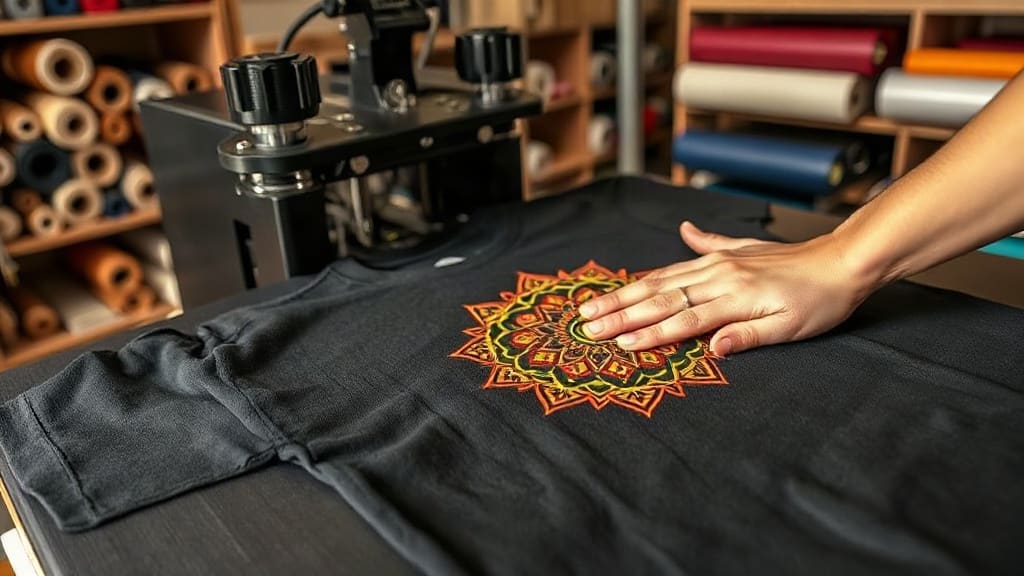
If you're in the custom printing business or just starting a small brand, you've probably searched for "DTF transfers" and wondered where to find the best local service. The convenience of having a nearby supplier can't be overstated: faster turnaround, personal consultations, and the ability to see samples before you commit. But not all DTF transfer providers are created equal. In this guide, I'll walk you through everything you need to know about finding top-notch DTF transfers near me, what to look for, and how to ensure your prints come out vibrant and durable every time.
I remember when I first started ordering DTF transfers for my own small clothing line. I made the mistake of choosing the cheapest option online, only to receive transfers that peeled after the first wash. That experience taught me the importance of selecting a provider who truly understands the nuances of DTF printing. So, let's dive into the world of DTF and help you make an informed choice.
What Are DTF Transfers and Why Are They So Popular?
DTF, or Direct to Film, is a printing method where a design is printed onto a special film, coated with adhesive powder, and then heat-pressed onto fabric or other materials. Unlike traditional screen printing, DTF doesn't require screens or setup for each color, making it ideal for small orders and complex, multi-colored designs. The result is a soft, stretchable, and highly detailed transfer that can be applied to cotton, polyester, blends, and even some hard surfaces.
The popularity of DTF has skyrocketed because it offers the best of both worlds: the vibrancy of screen printing and the flexibility of digital printing. For small business owners, it means you can produce custom apparel without holding large inventory. For artists and designers, it opens up endless creative possibilities.
Why Search for "DTF Transfers Near Me"?
While there are countless online DTF transfer services, searching for a local provider has distinct advantages:
- Faster turnaround: No shipping delays, especially if you need a rush order.
- Personal interaction: You can visit the shop, touch samples, and discuss your project face-to-face.
- Support local economy: You're helping a nearby business thrive.
- Easier problem resolution: If issues arise, you can address them directly.
However, the search for local options can be tricky. Not all print shops advertise clearly, and some may not even offer DTF even if they claim to. That's why it's crucial to know what to look for.
How to Identify a Reliable DTF Transfer Provider
Not every shop that says they offer DTF transfers is skilled at it. Here are the key factors to consider when evaluating a potential provider:
Experience and Portfolio
Ask to see samples of their previous work, especially on the type of fabric you plan to use. A reputable shop will happily show you examples. Look for sharp edges, vibrant colors, and no signs of peeling or cracking. If they hesitate, that's a red flag.
Quality of Materials
DTF transfers require high-quality film, ink, and adhesive powder. Inquire about the brands they use. Established suppliers often use premium materials, which directly impact the durability and feel of the final print. For instance, a transfer made with cheap powder might crack or wash out quickly.
Turnaround Time
Ask about their typical turnaround time. While a local shop might offer same-day or next-day service for small orders, be wary of unrealistic promises. A good provider will give you a clear timeframe and stick to it.
Pricing Structure
Understand how they price: per print, per sheet, or per job. Compare prices with online services, but don't make cost your only criterion. Sometimes paying a little more locally saves you from costly mistakes and reprints.
Customer Reviews
Check online reviews on Google, Yelp, or social media. Look for patterns in feedback, such as consistency in quality, communication, and delivery times.
Step-by-Step: How to Order DTF Transfers Locally
Once you've narrowed down your options, follow these steps to place an order:
- Prepare your artwork: Ensure your design is high-resolution (300 DPI) and in the correct format (PNG with transparent background is ideal).
- Request a quote: Provide details like size, quantity, and fabric type.
- Ask for a sample: If possible, order a small proof before committing to a large run. This is especially important for new customers.
- Confirm details: Double-check color accuracy and print placement.
- Review the production timeline: Make sure it aligns with your deadlines.
- Pick up or have it delivered: If you're nearby, you might save on shipping and get faster service.
Common Mistakes to Avoid When Choosing a DTF Transfer Service
Even with careful research, pitfalls exist. Here are some common errors I've seen (and made) that you should steer clear of:
- Choosing solely by price: The cheapest option often uses inferior materials, leading to poor results.
- Ignoring fabric compatibility: Some transfers work better on certain fabrics. Make sure the provider advises you on the best match.
- Skipping the test print: Always test a transfer on the actual fabric you'll use before investing in a bulk order.
- Not asking about washability: Ask how many washes the transfer can withstand. Quality DTF should last 50+ washes without fading or cracking.
DTF vs. Other Transfer Methods: Why DTF Wins
You might be wondering why DTF transfers have become so popular compared to alternatives like screen printing or vinyl. Here's a quick comparison:
Screen printing is cost-effective for large quantities but has high setup costs and is limited in color gradients. Vinyl cutting is great for simple designs but lacks detail and durability. DTF offers high detail, vibrant colors, and works on a variety of fabrics, making it a versatile choice for small to medium runs.
In my experience, DTF has the best balance of quality, cost, and versatility for small businesses. That's why I always recommend it to others.
Tips for Working With a Local DTF Transfer Shop
Building a good relationship with your local provider can benefit you in the long run. Here are some tips:
- Communicate clearly: Share your vision and ask for their professional advice.
- Order consistently: Regular orders might earn you discounts or priority service.
- Provide feedback: If something isn't right, let them know. Most shops want to improve and retain customers.
- Stay updated: Ask about new techniques or materials they adopt, which could improve your products.
How to Test the Quality of DTF Transfers
Once you receive your transfers, it's essential to test them before using them on final products. Here's a simple checklist:
- Examine the print: Look for any misprints or missing details.
- Perform a wash test: Wash a sample transfer on the recommended fabric to check durability.
- Stretch test: Pull the fabric to see if the transfer cracks or separates.
- Check the feel: The transfer should not feel overly thick or plastic-like.
By doing these tests, you ensure that the transfers meet your standards and will satisfy your own customers.
When to Consider Online DTF Transfer Services
While local services are fantastic, there are times when online providers might be better suited. For instance, if you need a massive order or a specific type of transfer not available locally, online companies can offer more variety. Additionally, if your local shop is unreliable, a reputable online service can be a backup. However, always factor in shipping time and costs.
In my journey, I've found that a mix of local and online services works best. For quick replenishments, I rely on my local partner; for large seasonal orders, I use a trusted online supplier.
Frequently Asked Questions About DTF Transfers Near Me
How much do DTF transfers cost per sheet?
The cost varies widely based on size, quantity, and provider. On average, a standard 8x10 inch sheet might cost between $1 and $5, with discounts for bulk orders. Local shops may have different pricing, so it's best to request quotes.
Can I use DTF transfers on any fabric?
DTF transfers work best on cotton, polyester, and blends. They can also be applied to nylon, leather, and other materials, but the result may vary. Always test on a sample piece first.
How long do DTF transfers last?
With proper application and care, DTF transfers can last for many washes, often over 50, without significant fading or cracking. The durability depends on the quality of materials and the heat press process.
Do I need special equipment to apply DTF transfers?
Yes, you'll need a heat press. A clamshell or swing-away press with precise temperature and pressure control is recommended. A regular iron is not recommended because it doesn't provide even pressure or heat.
What is the difference between DTF and sublimation?
Sublimation works only on polyester and light-colored fabrics, while DTF can be used on dark and light fabrics and a wider range of materials. DTF also produces more vibrant colors on dark shirts because it uses a white underbase.
Final Thoughts: Making the Right Choice
Finding the right DTF transfer provider near you is about more than just proximity. It's about quality, reliability, and building a relationship that supports your business growth. By following the guidelines in this article, you'll be well-equipped to evaluate local options and make a choice that ensures your prints look professional and last long.
I hope this guide has been helpful. Remember, the best way to learn is by trying. Start with a small order, test the waters, and don't be afraid to ask questions. Your customers will thank you for the quality, and you'll have the satisfaction of supporting local business.