
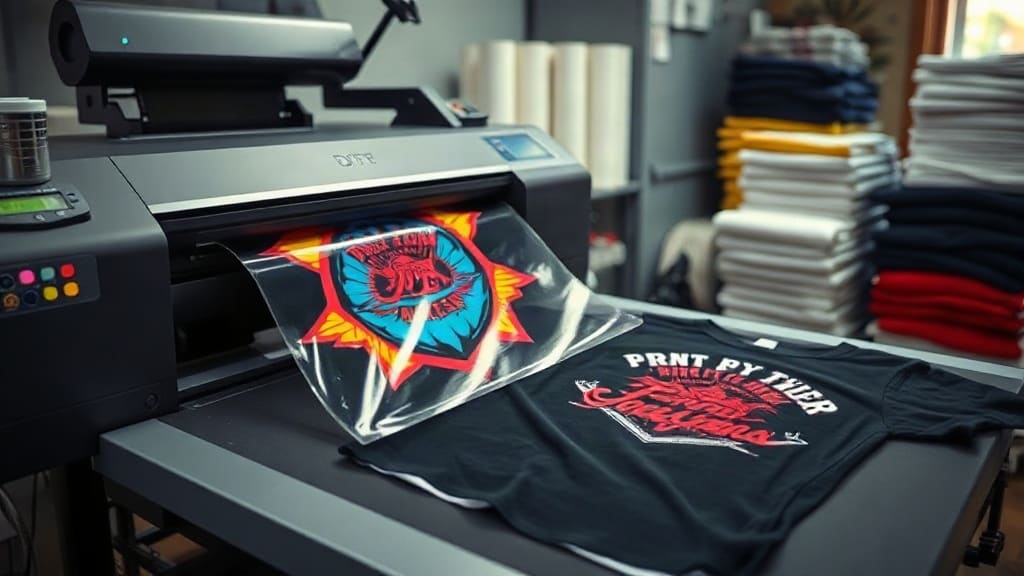
DTF transfers have taken the custom apparel industry by storm, offering a versatile and cost-effective way to create vibrant, durable prints on a wide range of fabrics. Whether you're a small business owner, a hobbyist, or just curious about this innovative printing method, this guide will walk you through everything you need to know.
I remember the first time I tried DTF printing. I was skeptical about the quality compared to screen printing, but after a few test runs, I was amazed by the color vibrancy and soft hand feel. The process seemed almost magical: print on a film, dust with adhesive powder, cure, and then heat press onto a shirt. The result was a print that stretched with the fabric without cracking. Since then, I've used DTF for everything from custom t-shirts to tote bags, and it never fails to impress my clients.
What Are DTF Transfers?
DTF (Direct to Film) transfers involve printing a design onto a special PET film using a DTF printer, then applying adhesive powder to the wet ink, curing it, and finally heat pressing the design onto a garment or other substrate. Unlike DTG (Direct to Garment) printing, which prints directly onto the fabric, DTF prints onto a film first, allowing for greater versatility in terms of fabric types and colors.
One of the biggest advantages of DTF transfers is that they work on both light and dark fabrics without the need for a pre-treatment base. The white ink layer in DTF acts as a base, ensuring that colors pop on dark materials. This makes DTF an excellent choice for businesses that want to offer a wide range of products without investing in multiple printing technologies.
How Does DTF Printing Work?
The DTF printing process involves several steps, each crucial for achieving high-quality results. Let's break it down:
Step 1: Design and Printing
First, you create your design using graphic software like Adobe Illustrator or Photoshop. Once ready, you print it onto a DTF film using a printer equipped with DTF inks (usually CMYK plus white). The printer lays down the colors, and then a layer of white ink is printed as a base for the design, especially if the transfer is intended for dark fabrics.
Step 2: Applying Adhesive Powder
While the ink is still wet, you need to apply a hot-melt adhesive powder over the entire design. This powder is crucial because it bonds the ink to the fabric during heat pressing. You can do this manually or with a powder shaker that collects excess powder for reuse. After applying, you'll need to remove any excess powder from areas without ink.
Step 3: Curing the Powder
The film with the adhesive powder is then passed through a curing oven or heat tunnel to melt the powder and bond it to the ink. This step ensures that the adhesive is evenly distributed and activated, ready for transferring.
Step 4: Heat Pressing
Finally, you place the film onto your garment (or other item) with the design facing down, and apply heat and pressure using a heat press. The recommended temperature and time vary, but typically it's around 320°F (160°C) for 10-15 seconds with medium to high pressure. After a quick peel (when the film is slightly cooled), you're left with a vibrant, durable print.
Benefits of DTF Transfers
There are many reasons why DTF has become so popular among print shops and small businesses. Here are some key benefits:
- Versatility: DTF transfers work on a wide range of fabrics, including cotton, polyester, blends, nylon, and even leather. They also adhere well to items like bags, caps, and shoes.
- Color Vibrancy: The white ink base ensures that colors remain bright and opaque, even on dark or colored fabrics.
- Durability: DTF prints are known for their excellent stretchability and resistance to cracking, peeling, or fading. They can withstand repeated washing without losing quality.
- No Pre-Treatment: Unlike DTG, DTF doesn't require pre-treating garments, saving time and reducing costs.
- Economical for Small Runs: DTF is cost-effective for short production runs, as there's minimal setup time and no need for screens or plates.
- Soft Hand Feel: The transfer leaves a soft finish that doesn't feel heavy or plasticky on the fabric.
For businesses, using DTF transfers can streamline their operations. You can print a variety of designs in advance and press them on demand, which is perfect for personalized orders or quick turnaround times. It also reduces inventory waste, as you only produce what you need.
DTF vs. Other Printing Methods
To fully appreciate DTF, it's helpful to compare it with other popular methods like screen printing, DTG, and vinyl heat transfer.
DTF vs. Screen Printing
Screen printing is ideal for large quantities of simple designs due to its low per-unit cost. However, it requires significant setup (screens, registration) and is not cost-effective for small orders. DTF offers more flexibility with no setup fees, making it perfect for small to medium runs and intricate, multi-colored designs.
DTF vs. DTG
DTG prints directly onto the fabric and excels at producing soft, detailed prints with a wide color gamut. However, DTG requires a pretreatment for dark garments and the printer itself is expensive. DTF can match DTG quality on many fabrics but offers better versatility for non-cotton materials and is more affordable for startups.
DTF vs. Vinyl Heat Transfer
Vinyl cutting is simple and great for single-color designs, but it's not suitable for full-color or highly detailed graphics. DTF allows for photorealistic prints and is easier to handle for small details, without the need to weed out excess vinyl.
Tips for Perfect DTF Transfers
Getting the best results from your DTF transfers requires attention to detail and a few tricks. Here are some tips I've learned from experience:
- Use High-Quality Films and Inks: The quality of your film and ink directly impacts the final print. Invest in reputable brands to ensure consistent results.
- Calibrate Your Printer: Regularly check your printer settings for color accuracy and ensure the white ink is properly mixed to avoid clogging.
- Apply Powder Evenly: Uneven powder application can lead to patchy adhesion. Use a shaker and gently tap to cover all areas, then remove excess.
- Test Your Heat Press Settings: Different fabrics require different temperatures and pressures. Always test on a scrap piece before pressing your final item.
- Peel the Film at the Right Time: Most DTF transfers require a hot peel, but some films perform better with a cold peel. Check the manufacturer's instructions and experiment to find the best method.
- Store Transfers Properly: If you're pre-printing transfers, store them in a cool, dry place and use them within a few weeks for optimal results.
Another important aspect is the design itself. Ensure your images are high resolution (at least 300 DPI) and that you account for the white underbase. For designs with fine details, consider simplifying them to avoid issues with adhesive powder sticking to unwanted areas.
Applications of DTF Transfers
The possibilities with DTF are nearly endless. Here are some popular applications:
- Custom Apparel: T-shirts, hoodies, sweatshirts, and jackets are the most common items. DTF works great for sports jerseys, workwear, and fashion apparel.
- Accessories: Tote bags, backpacks, caps, and even shoes can be customized with DTF transfers.
- Home Textiles: Pillows, curtains, and table linens can receive DTF prints, adding a personalized touch to home décor.
- Promotional Products: Mousepads, koozies, and other promotional items can be branded effectively using DTF.
Because DTF doesn't rely on the fabric's composition, it's an excellent choice for blended fabrics or those with special coatings, which can be tricky for other methods.
Common Mistakes to Avoid
Even experienced printers can encounter issues. Here are some common mistakes and how to fix them:
- Poor Adhesion: This often happens when the adhesive powder is insufficient or the heat press temperature is too low. Increase pressure and temperature slightly, or apply more powder.
- Faded Colors: If colors appear washed out, your white underbase might be too thin. Ensure the white ink layer is opaque enough, and consider printing at higher quality settings.
- Film Sticking to Garment: If the film doesn't peel off cleanly, it might be because you pressed too long or the film quality is poor. Try reducing press time or using a different film.
- Cracking After Washing: This indicates that the transfer wasn't cured properly or the adhesive wasn't activated fully. Make sure your curing oven is at the right temperature and that you're using the correct powder.
Sometimes, the issue lies with the garment itself. Some synthetic fabrics with low melting points can be damaged by high heat. Always test a small area first.
Cost Considerations
Starting with DTF can involve significant upfront investment: a DTF printer, film, inks, powder, and a heat press. However, the running costs are relatively low. The main consumables are the film, ink, and powder, which cost anywhere from $0.50 to $2.00 per transfer, depending on size. This is much cheaper than screen printing for small orders.
For small businesses, offering DTF transfers can open up new revenue streams without the need for high-volume orders. You can charge a premium for custom, on-demand items, which customers are often willing to pay for.
Environmental Impact
As sustainability becomes more important, it's worth noting that DTF printing is relatively eco-friendly compared to screen printing. It uses less water and produces fewer chemical waste byproducts. The adhesive powders are generally non-toxic, and the films can be recycled in some areas. However, the energy consumption of curing ovens and heat presses is a factor. Some manufacturers are developing water-based DTF inks and biodegradable films, which will further reduce the environmental footprint.
Future of DTF Transfers
The DTF market is growing rapidly, with advancements in ink formulations and printer technology. We're seeing faster printing speeds, more affordable entry-level machines, and improved color gamut. Some new systems even offer automated powder application and curing, making the process easier for beginners.
As the technology becomes more accessible, we can expect to see DTF in more small print shops and even homes. It's an exciting time for custom apparel, and DTF is at the forefront of this revolution.
Frequently Asked Questions
Can DTF transfers be used on any fabric?
Yes, DTF transfers work on a wide variety of fabrics including cotton, polyester, nylon, and blends. They also adhere well to items like leather, but it's always best to test a small area first, especially with delicate or heat-sensitive materials.
How long do DTF prints last?
With proper application and care, DTF prints can last as long as the garment itself. They are resistant to cracking, peeling, and fading, even after numerous washes. To maximize longevity, wash garments inside out in cold water and avoid tumble drying on high heat.
What is the difference between DTF and DTG?
DTF prints onto a film then transfers to fabric, while DTG prints directly onto the garment. DTF is more versatile for fabric types and doesn't require pre-treatment, but DTG offers a softer hand feel and is often better for high-detail prints on cotton.
Do I need a special printer for DTF?
Yes, you need a printer that can handle DTF inks, which typically include white ink. Many standard eco-solvent or latex printers can be converted for DTF, but dedicated DTF printers are available and often come with features like integrated powder applicators.
Can I use DTF transfers on dark shirts?
Absolutely. The white ink underbase ensures that your design appears vibrant and opaque on dark fabrics, making it one of the best methods for dark t-shirts.
Conclusion
DTF transfers are a game-changer in the custom printing industry, offering unmatched versatility, durability, and ease of use. Whether you're a seasoned professional or just starting your print business, incorporating DTF into your offerings can help you deliver high-quality products that satisfy your customers. With the right equipment and techniques, you'll be amazed at the results.
I hope this guide has given you a comprehensive understanding of DTF transfers. If you're ready to dive in, start with small projects, experiment, and soon you'll master this incredible printing method.