
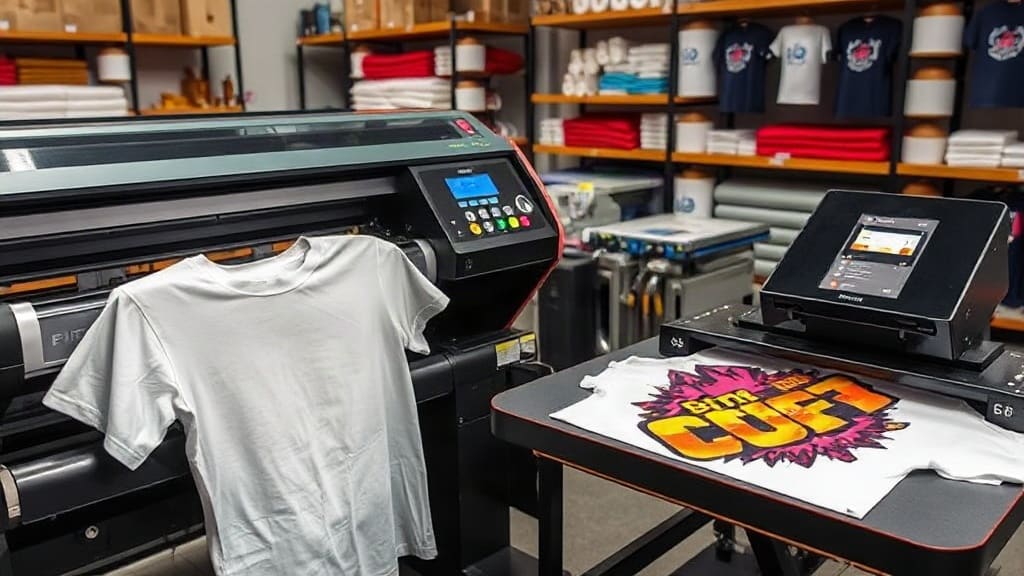
DTF printing is quickly becoming one of the most exciting technologies in custom apparel. It offers a perfect blend of quality, flexibility, and ease that screen printing and vinyl often struggle to match. Whether you are a seasoned printer or just starting a clothing brand, understanding DTF printing can open up new possibilities. In this article, I'll share my experiences and practical insights to help you see why DTF is a game-changer.
What Is DTF Printing?
DTF stands for Direct to Film. It's a printing method where you print your design onto a special PET film, apply a powder adhesive, and then heat press it onto a garment. This process differs from Direct to Garment (DTG) because you don't print directly on the shirt. Instead, you print on a film and transfer it. That little distinction makes DTF incredibly versatile.
When I first tried DTF, I was skeptical. I had been using screen printing for years, and the thought of switching to something new was daunting. But after a few test runs, I was hooked. The colors were vibrant, the details were sharp, and the process was surprisingly simple.
Why DTF Printing Is a Game-Changer
There are several reasons why DTF printing is revolutionizing the custom apparel industry.
Unmatched Versatility
One of the biggest advantages of DTF printing is that it works on almost any fabric. Cotton, polyester, blends, nylon, even leather and canvas. With screen printing, you often need special inks for synthetic fabrics, and DTG struggles with dark or textured materials. DTF eliminates those headaches. I've printed on everything from cotton tees to polyester sports jerseys, and the results are consistently excellent.
Great Color and Detail
DTF prints produce high-resolution images with vibrant colors. Because the print is transferred as a whole, you get fine details without worrying about color bleeding or registration issues. This makes it perfect for complex logos, photographs, or any design with gradients. I remember printing a design with tiny text and intricate lines; it came out crisp and clear, which impressed my client.
Cost-Effective for Short Runs
If you're making small batches or even one-off items, DTF printing is a budget-friendly option. Unlike screen printing, there are no screens to burn or setup fees. You can print a single shirt profitably. This is a huge win for small businesses and print-on-demand services. I've been able to offer custom shirts to customers without worrying about minimum order quantities.
How DTF Printing Works
Let me walk you through the step-by-step process of DTF printing, based on my own experience.
- First, you need a design. Create it using graphic software like Adobe Illustrator or Photoshop. Make sure it's high resolution.
- Next, print the design onto a special PET film using a DTF printer. This printer uses CMYK plus white ink to lay down the colors and a white base layer.
- After printing, while the ink is still wet, apply a hot-melt adhesive powder over the printed film. The powder sticks to the wet ink.
- Then, you heat the film to cure the adhesive. Usually, this is done in a drying oven or with a heat press set to around 160°C (320°F) for a few minutes.
- Finally, place the film onto your garment and press it with a heat press. The heat and pressure transfer the design, and then you peel off the film. Let it cool, and you're done.
It sounds straightforward, and it is, but there are nuances. For example, you need to ensure the powder is evenly applied to avoid patchy spots. I learned that using a shaker or a powder applicator makes a big difference.
The Benefits of DTF Over Other Methods
Let me compare DTF printing with traditional methods to highlight its advantages.
DTF vs. Screen Printing
Screen printing is great for large orders with simple designs. However, it requires expensive setup and is impractical for small quantities. DTF offers more flexibility. I've switched many of my small orders to DTF, and it saves me both time and money. Plus, DTF allows for full-color prints without multiple screen layers.
DTF vs. DTG
DTG printing is excellent for detailed designs on cotton, but it's slower and often requires pre-treatment for dark shirts. DTF doesn't need pre-treatment and works better on various fabrics. Also, DTF prints have a softer feel compared to DTG, which some customers prefer.
DTF vs. Vinyl
Vinyl is limited to solid colors and can be difficult to use for intricate cuts. DTF prints full-color images with ease, making it superior for anything beyond simple text and shapes.
Is DTF Printing Right for Your Business?
If you're running a custom apparel business, DTF printing can be a valuable addition. Here are some signs that DTF is a good fit:
- You receive orders with a variety of designs and quantities.
- You need to print on different types of garments.
- You want to reduce setup time and inventory.
- You're looking for vibrant, detailed prints.
In my own shop, I've integrated DTF alongside my existing methods. It's allowed me to take on more diverse jobs and satisfy more customers.
Getting Started with DTF Printing
Starting with DTF doesn't have to be overwhelming. Here are some steps to help you begin.
1. Choose the Right Equipment
You'll need a DTF printer, which is essentially an inkjet printer equipped to handle white ink. You'll also need a heat press and a powder applicator. Research reputable brands and read reviews. I recommend starting with a budget-friendly model to learn the ropes.
2. Source Quality Materials
The film, powder, and ink you use can greatly affect the outcome. Always use high-quality PET films and adhesive powders that match your ink. Test different combinations to find what works best for you.
3. Practice and Experiment
Like any new skill, practice is crucial. Start with simple designs and gradually move to more complex ones. Keep a notebook of what works and what doesn't. I documented my first few prints to understand how temperature and time affect the transfer.
4. Troubleshoot Common Issues
If you encounter problems like poor adhesion or faded colors, check your press temperature and time. Also, ensure the film is completely dry before pressing. Most issues arise from incorrect curing or pressing.
The Future of DTF Printing
As technology advances, DTF printing is only getting better. We're seeing improvements in ink formulations that make prints even more durable and stretchable. There are also eco-friendly options emerging, which is great for sustainability. I believe DTF will continue to grow, possibly becoming a staple in every custom apparel shop.
In conclusion, DTF printing is a revolutionary method that offers incredible flexibility, quality, and cost-effectiveness. It has transformed how I approach custom apparel, and I'm confident it can do the same for you. If you've been on the fence, I encourage you to give DTF a try. The results might just surprise you.
Frequently Asked Questions About DTF Printing
Can DTF prints withstand multiple washes?
Yes, when done correctly, DTF printing produces durable prints that can withstand many washes. The key is to use quality materials and properly cure the adhesive. With proper care, the print should remain vibrant and intact for the life of the garment.
Is DTF printing suitable for dark-colored shirts?
Absolutely. One of the advantages of DTF printing is that it includes a white ink base, which makes colors pop on dark fabrics. You don't need pre-treatment, as you do with DTG, making the process faster and more convenient.
What is the cost per print with DTF compared to other methods?
The cost per print for DTF is relatively low, especially for small quantities. While the initial setup cost for equipment can be higher, you save on setup fees and screens. For short runs, DTF is often more cost-effective than screen printing. However, for very large orders, screen printing might still be cheaper per unit.
Can I use DTF printing for other products besides apparel?
Yes, DTF printing is versatile. You can transfer designs onto tote bags, pillowcases, aprons, and even some non-fabric materials like mouse pads or canvas shoes. As long as the surface can withstand heat press temperatures, you can likely use DTF.
Do I need special training to operate a DTF printer?
Basic knowledge of printing and heat pressing is helpful, but DTF printers are designed to be user-friendly. Most manufacturers provide instructions, and there are plenty of tutorials online. With some practice, you'll quickly become proficient.