
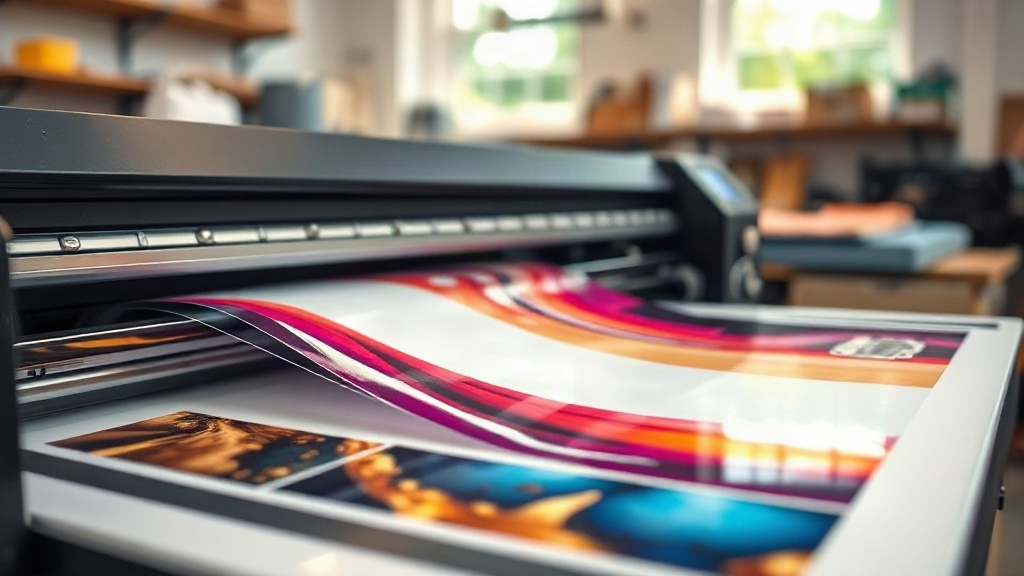
When I first started experimenting with DTF printing, I was overwhelmed by the variety of films available. Each seemed to promise the best results, but I quickly learned that the secret to flawless transfers lies in matching the film to your specific fabric and design. In this guide, I'll share my hands-on experience to help you navigate the world of DTF films and make informed choices for your projects.
What Is DTF Printing and Why Does Film Matter?
DTF printing, or Direct to Film, is a digital printing method where your design is printed onto a special film, coated with adhesive powder, and then heat-pressed onto fabric. Unlike DTG or screen printing, DTF works on a wide range of materials, from cotton to polyester and even blends. But not all films are created equal. The film you choose affects ink adhesion, color vibrancy, and durability. During my early trials, I used a generic film that resulted in cracked prints after a few washes. Switching to a high-quality film made all the difference, and I realized that understanding film types is crucial for success.
Types of DTF Films: A Breakdown
DTF films come in several varieties, each suited to different needs. Let's explore the most common types and their applications.
Standard DTF Film
This is your everyday film, ideal for cotton and cotton-poly blends. It offers good ink release and vibrant colors. I use standard film for most of my t-shirt projects. However, it may not perform well on highly textured fabrics or stretchy materials.
Low-Temperature DTF Film
If you're working with heat-sensitive fabrics like nylon or elastane, low-temperature film is a game-changer. It allows you to press at lower temperatures (around 250°F) without scorching the fabric. I learned this the hard way after ruining a batch of sports jerseys with standard film. Low-temp film saved the day, and the prints held up beautifully.
High-Density DTF Film
For designs that require a raised, textured look, high-density film is the way to go. It's thicker and produces a 3D effect that stands out. I've used it for logos on hoodies and caps, and the results are impressive. Just be mindful that it requires more pressure during transfer.
Eco-Solvent DTF Film
If you're using eco-solvent inks, you'll need a film compatible with them. These films have a special coating that ensures proper ink absorption. I've found them to be slightly more expensive but worth it for the environmental benefits and consistent output.
How to Choose the Right DTF Film for Your Project
Selecting the right film involves considering your fabric, design, and desired finish. Here are key factors to evaluate:
- Fabric type: Cotton and blends work well with standard film; synthetics may require low-temp or specialized films.
- Design complexity: Fine details and gradients need films with high ink release.
- Durability needs: For items that will be washed frequently, opt for films known for strong adhesion.
- Press conditions: Check your heat press capabilities; some films require specific temperature and pressure settings.
I always recommend testing a small sample before committing to a large batch. It saves time and money in the long run.
Step-by-Step DTF Printing Process with Film
To achieve professional results, follow this process, which I've refined through trial and error.
- Design preparation: Create your artwork in CMYK and mirror it horizontally. Ensure high resolution (300 DPI) for crisp prints.
- Printing: Load the film into your DTF printer and print using DTF inks. I use a dedicated DTF printer, but some convert eco-solvent printers with DTF ink.
- Powder application: While the ink is wet, apply hot-melt adhesive powder evenly. Shake off excess.
- Curing: Melt the powder using a heat gun or tunnel dryer until it's glossy. This step is critical for washability.
- Transfer: Place the film on your fabric and press at 320°F for 15 seconds with medium pressure. Peel the film warm or cold, depending on the film type.
Each film may have specific instructions, so always check the manufacturer's guidelines.
Common Mistakes and How to Avoid Them
Even experienced printers make mistakes. Here are pitfalls I've encountered and how to steer clear:
- Using expired film: Old film can lead to poor ink release. Store film in a cool, dry place and check expiration dates.
- Incorrect powder amount: Too little powder causes fading; too much creates a rough texture. Aim for a thin, even coat.
- Insufficient curing: Under-cured powder leads to cracking. Ensure the powder is fully melted and glossy.
- Wrong pressure: Too much pressure can cause ink to spread; too little results in poor adhesion. Experiment to find the sweet spot.
Frequently Asked Questions
Can I use DTF film on dark fabrics?
Yes, DTF printing works on both light and dark fabrics. The white ink layer in DTF printing provides a base that makes colors pop on dark backgrounds. Just ensure your printer has white ink capabilities.
How long does a DTF transfer last?
With proper application and care, DTF transfers can last 50+ washes. Using quality film and adhesive powder, and following correct washing instructions (inside out, cold water, no bleach) will maximize longevity.
Do I need a special printer for DTF printing?
You can use a dedicated DTF printer or convert an existing inkjet printer with DTF inks and film. However, dedicated printers are optimized for DTF and often yield better results. I started with a converted printer and later upgraded for consistency.
What is the difference between DTF and DTG printing?
DTF involves printing on film and transferring to fabric, while DTG prints directly onto the garment. DTF works on more fabric types and doesn't require pre-treatment, making it more versatile. DTG is limited to cotton and requires pre-treatment for best results.
Can I stretch DTF prints?
DTF prints have some stretchability, especially when using quality film and powder. However, excessive stretching can cause cracking. For stretchy fabrics, use low-temperature film and ensure proper curing.
Mastering DTF printing takes practice, but with the right film and techniques, you can produce stunning, durable apparel. Remember to test, adjust, and learn from each project. Happy printing!