
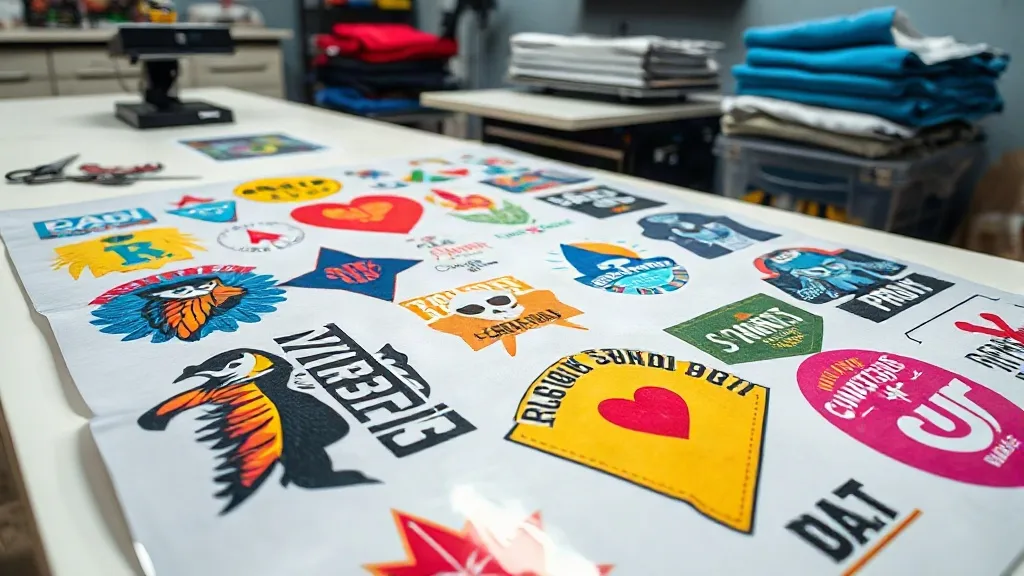
Custom apparel printing has always been a balance between quality, speed, and cost. Whether you're a small print shop owner or a DIY enthusiast, you've likely faced the frustration of juggling multiple transfer sheets, aligning designs, and watching your profit margins shrink. That's where the DTF Gangsheet comes in—a game-changing approach that lets you consolidate multiple designs into one large sheet, maximizing efficiency and minimizing waste. In this guide, we'll explore what a DTF gangsheet is, why it's becoming a staple in print shops, and how you can leverage it to take your custom apparel to the next level.
What Is a DTF Gangsheet?
At its core, a DTF gangsheet is a large-format transfer film that holds multiple DTF (Direct-to-Film) prints arranged together. Instead of printing each design on a separate sheet, you gang them up—hence the name—on a single roll or sheet. This method is particularly popular in the apparel decoration industry because it dramatically improves workflow and cost efficiency.
DTF printing itself involves printing your design onto a special film, applying a powder adhesive, and then heat-pressing it onto fabric. The gangsheet approach takes this a step further by allowing you to fill an entire sheet with various designs, which can then be cut apart and applied individually. This is ideal for orders with multiple small graphics, such as team jerseys, event merchandise, or promotional items.
Why DTF Gangsheets Are a Game-Changer for Print Shops
If you're still on the fence about adopting gangsheets, consider the practical benefits that directly impact your bottom line.
1. Unmatched Cost Efficiency
DTF film and ink aren't cheap. When you print each design on its own sheet, you're paying for unused space around the graphic. A gangsheet lets you nest designs tightly, using nearly every square inch of the film. This reduces material waste and lowers your cost per print. For a busy shop, those savings add up quickly—often enough to reinvest in better equipment or marketing.
2. Time-Saving Workflow
Time is money. With a gangsheet, you can print dozens of designs in one go, then cut them apart and press them as needed. This eliminates the need to load and unload the printer repeatedly, and it streamlines the cutting process. Many shops report cutting their production time by 30% or more after switching to gangsheets.
3. Versatility Across Fabrics
One of the biggest advantages of DTF printing is that it works on almost any fabric—cotton, polyester, blends, even nylon. A gangsheet doesn't change that; it simply lets you combine designs for different fabric types on one sheet. You can print a cotton t-shirt design next to a polyester jersey design, and both will adhere beautifully. This flexibility is a lifesaver for shops that handle diverse orders.
4. Consistent Quality
Because all designs on a gangsheet go through the same printing and powdering process, you get consistent quality across the board. No more worrying about one design fading differently than another. The colors are vibrant, the details are sharp, and the durability is impressive—washes after wash, the prints hold up.
How to Create and Use a DTF Gangsheet
Getting started with gangsheets is easier than you might think. Here's a step-by-step overview:
Step 1: Design and Nest
Use design software to arrange your graphics on a canvas that matches the size of your DTF film. Nest them closely but leave a small gap (about 0.2 inches) between designs to allow for cutting. Make sure to mirror your designs if your printer requires it.
Step 2: Print and Powder
Print the gangsheet onto DTF film using your DTF printer. While the ink is still wet, apply the adhesive powder evenly, then shake off the excess. Cure the powder with a heat gun or in an oven until it melts and forms a matte finish.
Step 3: Cut and Press
Once the sheet is cured, cut out each design. You can use scissors or a vinyl cutter for precision. Then, heat-press each design onto your garment following the standard DTF pressing instructions (typically 320°F for 15 seconds with medium pressure).
Step 4: Peel and Enjoy
Wait for the transfer to cool completely before peeling the film. This ensures the adhesive bonds properly. Then, flip the garment inside out and press again for a few seconds to set the print. That's it—you've got a professional-quality custom apparel item.
Common Mistakes to Avoid with DTF Gangsheets
Even seasoned pros can slip up. Here are a few pitfalls to watch out for:
- Overcrowding the sheet: Leaving too little space between designs can make cutting difficult and lead to damaged prints.
- Inconsistent powder application: Too much powder causes a rough texture; too little leads to poor adhesion. Aim for an even, thin layer.
- Skipping the post-press: Not doing a final press after peeling can reduce durability. Always follow up with a short second press.
- Ignoring film specifications: Different films have different requirements. Always check the manufacturer's guidelines for temperature and pressure.
DTF Gangsheet vs. Other Printing Methods
How does gangsheet DTF stack up against screen printing, DTG, and vinyl? Let's break it down.
- Screen Printing: Great for large orders of the same design, but setup costs are high and it's not cost-effective for small batches or multi-design orders. Gangsheet DTF shines in short runs and variety.
- DTG (Direct-to-Garment): Excellent for detailed designs on cotton, but limited on polyester and blends. DTF works on almost any fabric.
- Vinyl: Good for simple text and shapes, but not for complex, multi-color graphics. DTF handles intricate designs with ease.
In short, gangsheet DTF offers a sweet spot of flexibility, cost, and quality that few other methods can match.
Tips for Maximizing Your DTF Gangsheet Investment
To get the most out of your gangsheets, keep these tips in mind:
- Plan your layouts: Use nesting software to optimize space and reduce waste.
- Buy quality film and powder: Cheaper materials can lead to clogs, poor adhesion, and frustrated customers.
- Maintain your printer: Regular cleaning and maintenance ensure consistent output and longevity.
- Test new fabrics: Always do a test press on a scrap piece of fabric before committing to a full order.
- Store sheets properly: Keep unused film in a cool, dry place to prevent curling or dust accumulation.
Frequently Asked Questions
What size should my DTF gangsheet be?
The size depends on your printer's maximum print width and the number of designs you want to include. Common widths are 13, 17, and 24 inches. Choose a size that accommodates your typical order volume without excessive waste.
Can I mix different fabric types on one gangsheet?
Absolutely. The gangsheet is just a printing medium; the designs themselves are separate. You can print designs intended for cotton, polyester, or blends all on the same sheet, then apply them to the respective garments.
How long does a DTF gangsheet last before use?
If stored properly in a cool, dry place away from direct sunlight, a printed and powdered gangsheet can last several weeks. However, for best results, use it within a few days of printing.
Do I need a special printer for DTF gangsheets?
Yes, you need a DTF printer that uses DTF ink and film. Many converted Epson printers are popular for this purpose. Ensure your printer is compatible with the film and powder you plan to use.
Is DTF printing washable?
Yes, when applied correctly, DTF prints are highly durable and can withstand dozens of washes. Always follow the care instructions: wash inside out in cold water, and avoid ironing directly on the print.
Embracing DTF gangsheets is a smart move for any apparel decorator looking to boost efficiency, reduce costs, and deliver top-notch quality. With a bit of practice, you'll wonder how you ever managed without them.