
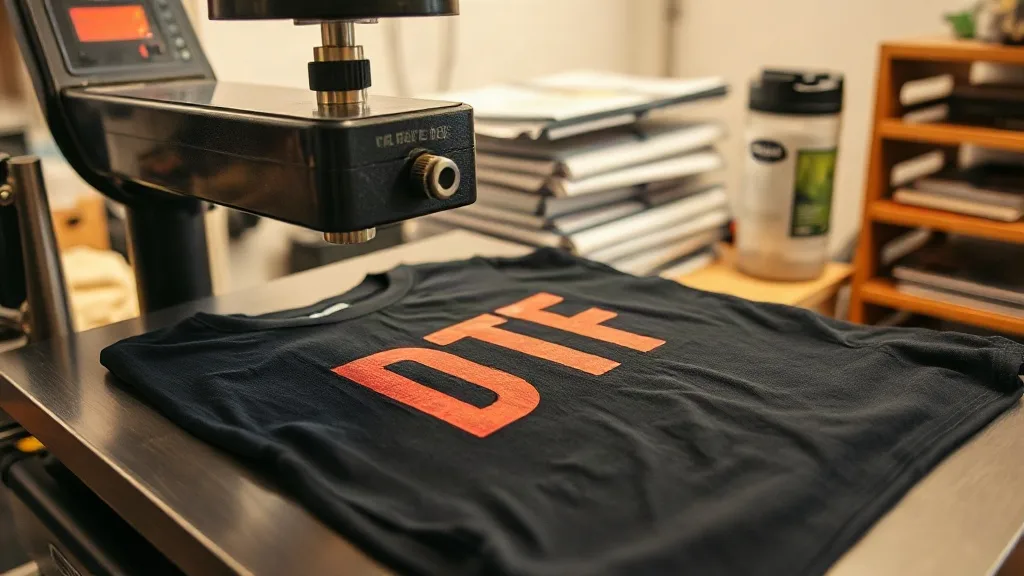
Custom apparel printing has come a long way, and one of the most exciting developments in recent years is dtf transfers. If you're looking for a way to produce full-color, durable designs on a wide range of fabrics without the limitations of traditional screen printing or vinyl, DTF might be exactly what you need. In this guide, we'll walk you through what DTF is, how it works, and why it's quickly becoming a favorite among crafters and small business owners alike.
What Are DTF Transfers?
DTF stands for Direct to Film. It's a printing technology where your design is printed onto a special film, then coated with a powder adhesive and cured. The result is a transfer that can be heat-pressed onto fabrics. Unlike DTG (Direct to Garment) printing, which requires pretreating and works best on cotton, dtf transfers adhere to almost any fabric, including polyester, blends, and even nylon. This versatility makes them a game-changer for anyone who wants to print on different types of garments without investing in multiple printing methods.
How DTF Transfers Work
The DTF process involves several steps, but it's surprisingly straightforward once you get the hang of it. Here's a breakdown:
- Design Preparation: Your artwork is prepared digitally, ensuring it's mirrored and sized correctly.
- Printing: A specialized DTF printer prints the design onto a PET film using water-based inks. White ink is often used as a base to make colors pop on dark fabrics.
- Powder Application: While the ink is still wet, a hot-melt adhesive powder is applied evenly over the design.
- Curing: The film is then heated to melt the powder, creating a durable, flexible layer that will bond with fabric.
- Heat Pressing: The transfer is placed on the fabric and pressed with a heat press at a specific temperature and pressure for a set time. Once cooled, the film is peeled away, leaving the design behind.
Each step requires attention to detail, but the learning curve is manageable, especially with practice.
Why Choose DTF Transfers?
There are several reasons why DTF transfers have gained popularity:
- Fabric Versatility: Works on cotton, polyester, blends, and even treated nylon. No need for different techniques for different materials.
- Vibrant Colors: DTF printers can produce millions of colors, including gradients and fine details, without the need for color separation.
- Durability: When applied correctly, DTF transfers are highly durable, resisting cracking, fading, and washing.
- No Weeding: Unlike vinyl, there's no tedious weeding process. Just print, powder, cure, and press.
- Cost-Effective for Short Runs: Ideal for small batches and one-offs, as there's no minimum order quantity and setup costs are low.
These advantages make DTF a versatile tool for personalizing t-shirts, hoodies, tote bags, and more.
DTF Transfers vs. Other Printing Methods
To appreciate DTF, it helps to compare it with other common printing methods:
- Screen Printing: Great for large orders of simple designs, but expensive for small runs and limited in color complexity. DTF excels in short runs and complex designs.
- DTG: Best for 100% cotton, but requires pretreating and can be less vibrant on dark colors. DTF works on more fabrics and often produces brighter results.
- Vinyl (HTV): Good for simple shapes and text, but not for detailed images. DTF handles intricate designs with ease.
- Sublimation: Only works on polyester and light-colored fabrics. DTF is more versatile.
Each method has its place, but DTF fills a gap for those who need high-quality, full-color prints on diverse materials without breaking the bank.
Applications of DTF Transfers
DTF transfers are used in a variety of settings:
- Custom Apparel: Create personalized t-shirts, hoodies, and hats for events, teams, or gifts.
- Small Businesses: Print on demand for your clothing line without inventory.
- Crafters and Hobbyists: Add unique designs to bags, pillows, and more.
- Promotional Items: Brand merchandise with logos and slogans.
The possibilities are nearly endless, limited only by your creativity.
Tips for Successful DTF Transfers
To get the best results, keep these tips in mind:
- Use Quality Supplies: Invest in good DTF film, ink, and powder. Cheap materials can lead to poor adhesion and faded prints.
- Follow Heat Press Parameters: Each film and fabric may require specific temperature, pressure, and time. Always test and adjust.
- Pre-Press Fabric: Remove moisture from the garment before pressing to improve adhesion.
- Peel Correctly: Most DTF transfers are cold peel, but check your film's instructions. Peeling too early can ruin the design.
- Wash Inside Out: To prolong the life of your print, wash garments inside out in cold water and avoid harsh detergents.
These simple practices can make a big difference in the longevity and appearance of your transfers.
Finding DTF Transfers Near You
If you're eager to try DTF but don't want to invest in a printer and supplies, you can order custom transfers online or search for dtf transfers near me to find local services. Many print shops now offer DTF transfer services, allowing you to upload your design and receive ready-to-press transfers. This is a great way to test the waters without a big commitment. When choosing a provider, look for clear instructions, good reviews, and samples if possible.
Common Questions About DTF Transfers
How durable are DTF transfers?
When applied correctly, DTF transfers are very durable. They can withstand multiple washes without cracking or fading. However, improper application or low-quality materials can reduce longevity. Always follow the recommended heat press settings and care instructions.
Can I use DTF transfers on dark fabrics?
Yes! DTF transfers work beautifully on dark fabrics because a white ink base is printed under the colors, ensuring vibrancy. This is a major advantage over other methods like sublimation, which require light-colored fabrics.
What fabrics are not suitable for DTF?
DTF adheres well to most fabrics, but it may not work on fabrics with special coatings or finishes that prevent adhesion, such as water-repellent surfaces. Always test on a small area first. Also, fabrics that cannot withstand the heat of the press (e.g., some synthetics with low melting points) should be avoided.
How do I store DTF transfers?
Store unused DTF transfers in a cool, dry place, away from direct sunlight. Keep them flat to prevent creasing. Properly stored transfers can last for several months.
Is DTF printing cost-effective for small businesses?
Absolutely. DTF has low setup costs and no minimum order quantities, making it ideal for small businesses and startups. You can print on demand, reducing waste and inventory costs.
DTF transfers offer a versatile, vibrant, and durable way to bring your designs to life on a wide range of fabrics. Whether you're a hobbyist or a business owner, understanding this technology can open up new creative and commercial opportunities. So why not give it a try? Your next custom apparel project could be your best one yet.