
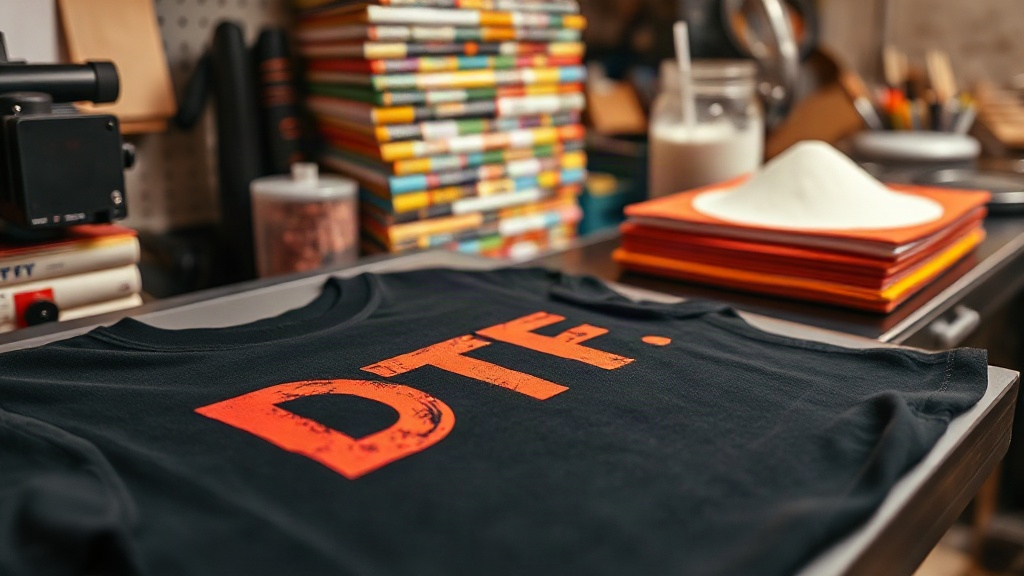
If you have ever ordered custom apparel, you know the struggle: prints that crack, fade, or feel like plastic. Enter DTF transfers, a game-changing technology that delivers vibrant, stretchable designs on almost any fabric. Whether you are a small business owner, a hobbyist, or just someone who loves personalized gear, understanding DTF transfers can save you time and money while elevating your creations.
In this guide, we will break down everything you need to know about DTF transfers: what they are, how they work, how to apply them, and why they might be your new go-to decoration method. Let's dive in.
What Are DTF Transfers?
DTF stands for Direct to Film. Unlike DTG (Direct to Garment) or screen printing, DTF transfers involve printing your design onto a special PET film using water-based inks, then coating it with a thermoplastic powder adhesive. The result is a transfer that can be heat-pressed onto fabrics. The magic? You can print on 100% cotton, polyester, blends, and even tough materials like canvas or denim. The prints are incredibly soft, stretchy, and durable.
The process is straightforward: design your artwork, print it onto film, apply adhesive powder, cure it, and then press it onto your garment. Because the film is flexible, the final print moves with the fabric, preventing cracks and peeling.
Why Choose DTF Transfers Over Other Methods?
You might wonder how DTF compares to more established techniques. Here is a quick breakdown:
- Versatility: Works on virtually any fabric, including dark colors and synthetic blends.
- No weeding: Unlike vinyl, you do not need to cut and weed intricate designs. Print, powder, press.
- Soft feel: The prints are thin and flexible, not rubbery like some heat transfers.
- Durability: With proper care, DTF prints withstand dozens of washes without fading or cracking.
- Cost-effective for small batches: No setup fees or minimums, making it ideal for one-offs or small runs.
Screen printing offers lower cost per unit for large orders, but DTF shines for detailed, multi-color designs and small quantities. DTG is great for cotton but struggles on polyester. DTF bridges the gap.
How to Apply DTF Transfers: Step-by-Step
Applying DTF transfers is simple, but following the right steps ensures a professional finish. Here is what you need:
- A heat press (or a home iron, though results vary)
- Your DTF transfer
- A garment (preferably pre-pressed to remove moisture)
- Parchment paper or a Teflon sheet
Step 1: Prepare Your Workspace
Set your heat press to the recommended temperature, usually between 325°F and 350°F (160°C to 175°C). Pre-press the garment for a few seconds to eliminate wrinkles and moisture. This step is crucial for adhesion.
Step 2: Position the Transfer
Place the DTF transfer on the garment with the printed side facing up. If your design has a white underbase, it will be on the film; the adhesive side goes down. Double-check placement before pressing.
Step 3: Press and Peel
Cover the transfer with parchment paper. Press with medium pressure for 10-15 seconds. For a matte finish, peel the film while it is still warm (warm peel). For a glossy finish, let it cool completely before peeling (cold peel). Both methods work, but follow your transfer supplier's instructions.
Step 4: Post-Press for Durability
After peeling, press the garment again for 5-10 seconds with parchment paper to smooth the print and enhance washability. This step is often overlooked but makes a big difference.
Common Mistakes to Avoid with DTF Transfers
Even though DTF is forgiving, avoid these pitfalls:
- Insufficient pressure: Leads to poor adhesion and early peeling.
- Wrong temperature: Too hot scorches the film; too cool means the adhesive won't melt.
- Not pre-pressing: Moisture causes steam, which ruins the transfer.
- Peeling too fast: Can lift the print or leave residue.
Always test on a scrap piece of fabric first to dial in your settings.
DTF Transfers vs. Other Printing Methods: A Detailed Comparison
Let's dig deeper into how DTF stacks up against vinyl, screen printing, and DTG.
DTF vs. Heat Transfer Vinyl (HTV)
HTV requires cutting and weeding, which is time-consuming for intricate designs. DTF eliminates that, and it can handle full-color gradients and fine details that HTV cannot. However, HTV can be more cost-effective for simple one-color designs.
DTF vs. Screen Printing
Screen printing offers unmatched durability and vibrancy for large orders, but it requires screens and setup for each color. DTF has no setup fees and handles unlimited colors in one pass. For small businesses or custom orders, DTF is more flexible.
DTF vs. DTG
DTG prints directly onto the garment, which works well on 100% cotton but often looks faded on polyester. DTF adheres to polyester and blends beautifully. Plus, DTF transfers can be stored and used later, while DTG must be printed on demand.
Choosing the Right DTF Transfer for Your Project
Not all DTF transfers are created equal. Consider these factors:
- Ink quality: High-quality inks produce brighter colors and better wash fastness.
- Powder adhesive: Fine powder gives a softer feel; coarse powder may be more durable but less comfortable.
- Film type: Some films are designed for hot peel, others for cold peel. Match to your workflow.
- Supplier reputation: Read reviews and request samples before committing to bulk orders.
At dtfmood.com, we offer premium DTF transfers that are tested for durability and color vibrancy. Our transfers work with any heat press and come with detailed instructions.
Care Instructions for Long-Lasting DTF Prints
To keep your DTF transfers looking new:
- Wait 24 hours before washing.
- Turn the garment inside out.
- Machine wash cold, gentle cycle.
- Avoid bleach and fabric softeners.
- Tumble dry low or hang dry.
- Iron inside out, never directly on the print.
Following these tips ensures your prints survive countless washes.
Frequently Asked Questions About DTF Transfers
Can I use DTF transfers on dark and light fabrics?
Absolutely. DTF transfers include a white underbase, so they show up vividly on both dark and light garments. No need for separate white ink or multiple passes.
How durable are DTF transfers after washing?
When applied correctly and cared for properly, DTF transfers can last 50+ washes without significant fading or cracking. The key is proper heat press settings and gentle washing.
Do I need a special printer to make DTF transfers?
Yes, you need a DTF printer that uses water-based pigment inks and a powder shaker. However, if you are not ready to invest, you can order custom DTF transfers from a service like dtfmood.com.
What is the best temperature for pressing DTF transfers?
Most DTF transfers press at 325°F to 350°F (160°C to 175°C) for 10-15 seconds with medium pressure. Always check your supplier's recommendations, as formulations vary.
Can I stretch DTF prints without cracking?
Yes, DTF prints are highly elastic and stretch with the fabric. They are ideal for athletic wear and performance fabrics where flexibility is essential.
DTF transfers are revolutionizing the custom apparel industry with their versatility, durability, and ease of use. Whether you are printing a single shirt or a hundred, DTF offers professional results without the hassle. Explore our collection at dtfmood.com and experience the difference.