
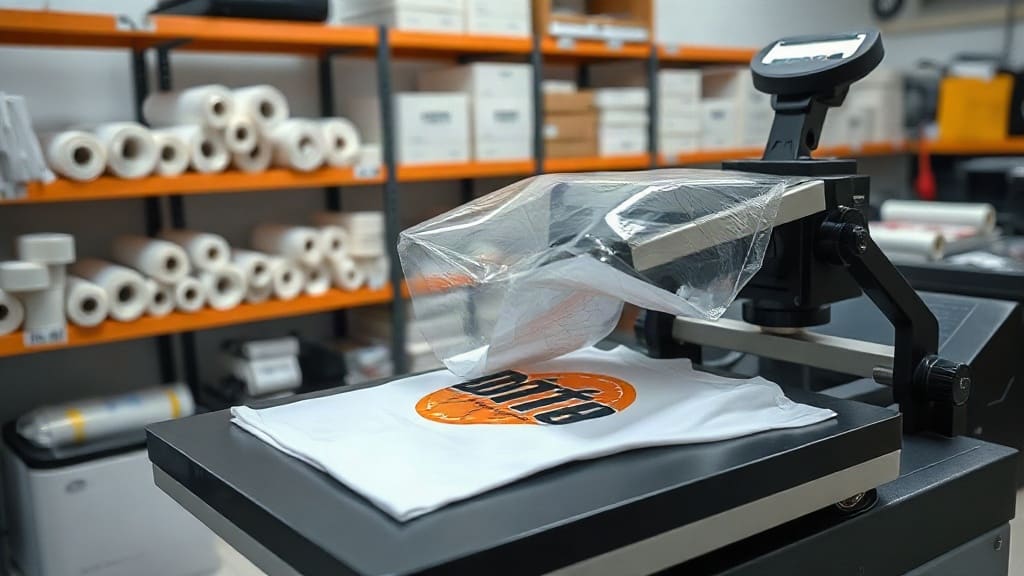
If you're in the custom apparel business or just love creating your own t-shirts, you've likely heard about DTF printing. It's a game-changer. Unlike traditional methods, DTF (Direct to Film) allows you to print vibrant, detailed designs onto a special film and then transfer them onto fabric with a heat press. This technology has exploded in popularity because it's versatile, cost-effective, and produces stunning results. In this guide, I'll walk you through everything you need to know about DTF transfers, from the process to finding the best DTF transfers near me. Whether you're a beginner or a seasoned pro, you'll find valuable insights here.
What Are DTF Transfers?
DTF transfers are pre-printed designs on a film that you can heat-press onto various fabrics. The process involves printing your artwork onto a special PET film using a DTF printer, then applying adhesive powder, and curing it. After that, you cut the design and store it until you're ready to use it. When you need to apply it, you place the film onto your garment, apply heat and pressure, and peel off the film. The result is a vibrant, durable print that feels soft and stretches with the fabric.
How DTF Printing Works
To understand DTF transfers, it helps to know the printing process. First, you print your design in reverse onto the film using CMYK plus white ink. The white ink is crucial because it creates a base layer that makes colors pop on dark garments. After printing, you apply a hot-melt adhesive powder while the ink is still wet. This powder acts as the glue that bonds the design to the fabric during heat pressing. You then cure the powder in an oven or with a heat gun to ensure it's fully activated. Once cured, you can store the transfers for later use or press them immediately.
Equipment Needed for DTF
Starting with DTF requires some initial investment. You'll need a DTF printer, which is typically an EPSON or other printer modified to print with pigment inks and white ink. You also need a heat press, PET films, adhesive powder, and a curing unit if you're producing many transfers. The cost can be high, but many shops offer DTF transfers as a service, so you don't have to invest in equipment if you're just starting.
Why Choose DTF Over Other Methods?
DTF has several advantages over screen printing and vinyl. It's perfect for small batches and complex designs with many colors. Unlike screen printing, there are no setup fees or screens to clean. And unlike vinyl, DTF can print photographic images with gradients and shadows. The prints are also durable; they can withstand repeated washing without cracking or fading. Plus, DTF works on a wide range of fabrics, including cotton, polyester, blends, and even nylon, which makes it incredibly versatile.
Comparing DTF to Screen Printing and Vinyl
Screen printing is still cost-effective for large orders, but it's not practical for one-off or small orders. Vinyl is limited to solid colors and simple shapes. DTF fills the gap perfectly. It's fast to set up, requires minimal cleanup, and the quality is excellent. Many businesses use DTF for on-demand printing, which reduces inventory and waste.
Getting Started with DTF Transfers
If you're new to DTF, the easiest way to start is by purchasing DTF transfers from a reputable supplier. You can order custom designs or choose from pre-made ones. This allows you to test the waters without investing in expensive equipment. Once you see how great they look, you might consider buying your own DTF printer to produce transfers in-house.
Finding DTF Transfers Near Me
Searching for DTF transfers near me can yield local suppliers who can provide fast turnaround and face-to-face support. However, don't overlook online shops; they often offer better prices and a wider selection. When choosing a supplier, look for reviews, sample requests, and clear pricing. It's also wise to ask about their ink and film brands, as quality can vary significantly.
What to Look for in a DTF Transfer Supplier
First, check the resolution and color vibrancy. Ask for a sample to see if the transfer meets your expectations. Also, consider the stretchability and durability. A good transfer should not crack or peel after several washes. Additionally, look for a supplier that offers a variety of sizes and options, such as single- or multi-color prints, and whether they provide a white base layer automatically. Transparency about curing time and pressing instructions is also a plus.
Step-by-Step Process of Using DTF Transfers
Once you have your DTF transfers, applying them is straightforward. First, preheat your heat press to about 320°F (160°C). Place your garment on the press, and position the transfer with the film side up. Press for about 15 seconds with medium pressure. Then, while the film is still warm, peel it off. For best results, use a Teflon sheet to protect the transfer and garment. After peeling, you can optionally press the design again with a Teflon sheet for a few seconds to ensure full adhesion.
Tips for a Perfect Application
Make sure the garment is completely flat and free of wrinkles. Use the correct pressure: too light and the transfer won't adhere fully; too heavy and it can distort the design. Also, allow the garment to cool before wearing or washing. If you're pressing on dark fabrics, ensure the white layer is opaque enough by asking your supplier for a double-layer white base if needed.
Care Instructions for DTF Printed Garments
To extend the life of your DTF prints, turn the garment inside out before washing. Use cold water and mild detergent. Avoid bleach and fabric softeners. Tumble dry on low or hang dry. Do not iron directly on the design; if needed, iron on the reverse side. Following these care tips will keep your prints looking fresh for a long time.
Cost Analysis: Is DTF Worth It?
The cost of DTF transfers depends on the size, complexity, and quantity. Generally, for small orders, DTF is more cost-effective than screen printing. For a single t-shirt, a DTF transfer might cost around $3 to $8, depending on the supplier and size. If you're producing many shirts, screen printing may become cheaper per unit, but DTF offers flexibility with no minimum order quantities. Also, consider the time saved: you can press a shirt in under a minute, making it perfect for events or pop-up shops.
Common Mistakes to Avoid
One common mistake is using the wrong heat setting. Always follow the supplier's instructions. Another is peeling the film too quickly or too slowly; timing is crucial. Also, don't use a home iron instead of a heat press; it won't provide even pressure or heat. And avoid washing the garment immediately after pressing; give it time to set.
Future of DTF Technology
DTF is here to stay. As technology advances, we're seeing faster printers, better inks, and more eco-friendly options. Some suppliers are developing water-based inks to reduce environmental impact. Also, DTF is expanding beyond apparel; it's being used on bags, hats, and even shoes. The possibilities are endless, and it's an exciting time to get involved.
Frequently Asked Questions
How long do DTF transfers last?
With proper care, DTF transfers can last for many washes. The print won't crack or fade significantly if you follow the care instructions. Typically, they outperform screen prints in durability, especially when applied correctly.
Can DTF transfers be used on any fabric?
Yes, DTF works on a variety of fabrics, including cotton, polyester, blends, and even some synthetic materials. However, for 100% polyester, you may need to lower the heat and use a protective sheet to avoid damage.
Do I need a heat press for DTF transfers?
Yes, a heat press is essential for applying DTF transfers. A household iron won't provide the necessary pressure and heat distribution. You can find affordable heat presses for beginners, and they're a worthwhile investment if you plan to make many items.
How do I choose the right DTF transfer size?
Measure the area where you want the design and choose a transfer that fits. Most suppliers offer various sizes, from small chest logos to large back prints. It's better to go slightly smaller than too large, especially for pocket areas.
Can I order custom DTF transfers with my own design?
Absolutely. Most suppliers, including dtfmood.com, allow you to upload your artwork and order custom DTF transfers. Just make sure your design is high-resolution (300 DPI preferred) and in the correct format, usually PNG or PDF.